


What is the problem?
Shovelling and digging are routine tasks, particularly during excavation, or trenching and when moving loose materials such as soil, gravel, sand or concrete. Although common, these tasks involve repetitive movements, awkward postures, and sustained physical effort, which can lead to musculoskeletal injuries if not well managed.
Typical activities include:
- Hand digging trenches or potholes
- Moving, levelling or spreading materials
- Loading or unloading into wheelbarrows, skips, or trucks
These tasks are often carried out on uneven ground, in confined areas, or for long periods, increasing strain on the body.
What is the risk?
If not properly controlled, manual shovelling and digging can cause sprains, strains, and other musculoskeletal injuries, particularly affecting the back, shoulders, arms, and wrists. Key risk factors include:
- Repetitive, awkward postures such as bending, twisting, or reaching while digging or lifting
- Repetitive, high, sudden forces when breaking compacted ground or moving heavy material
- Fatigue from prolonged work without breaks or task rotation
Injuries may happen suddenly or develop slowly over time from repeated exposure.
How to reduce the risk?
Plan ahead to reduce manual effort
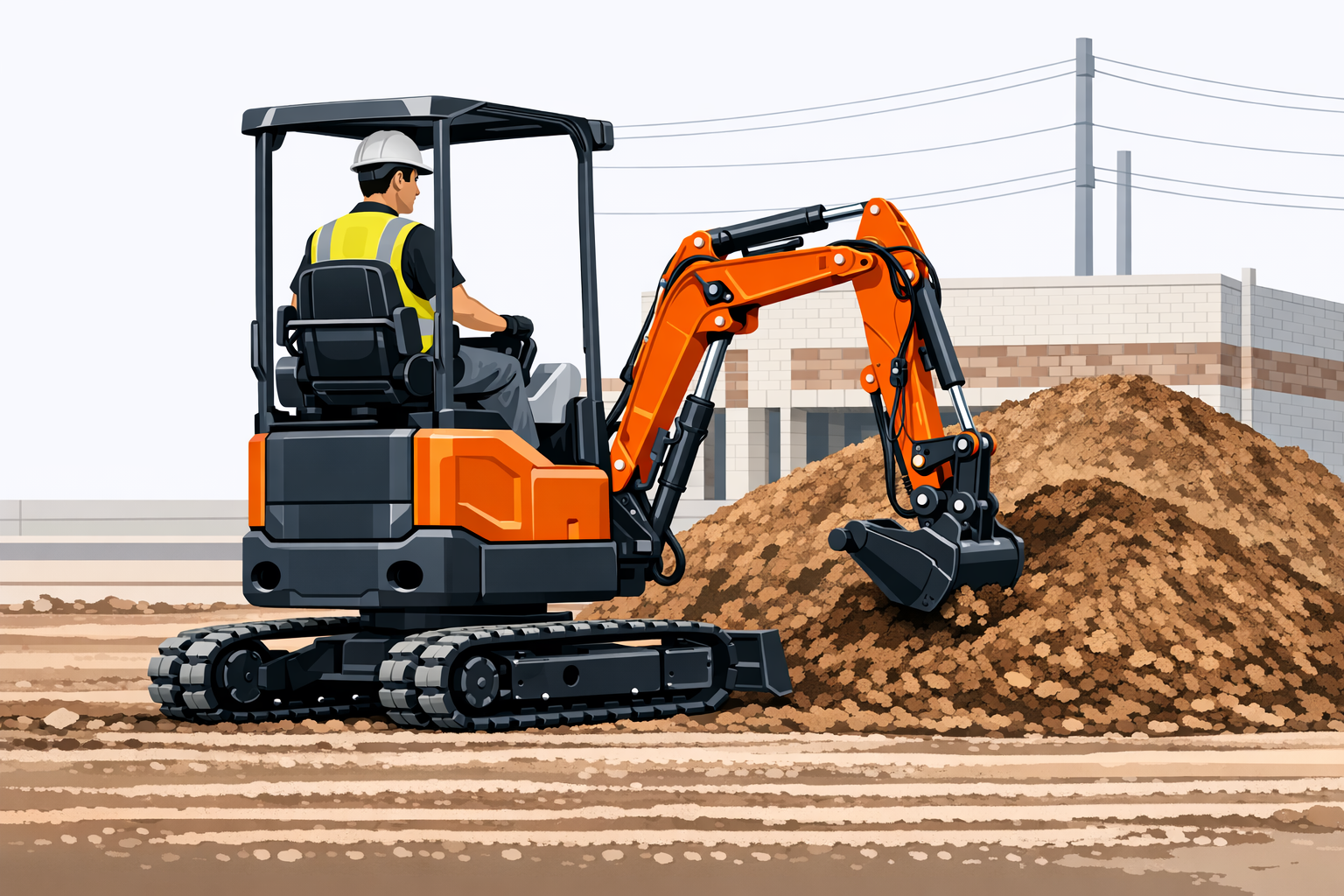
- Check whether manual shovelling is necessary - consider eliminating the task or using mechanical methods such as an excavator or trencher where safe and practicable
- Use manual excavation only where required, such as when working around services, structures or in small, restricted areas.
- Assess the task and material type – compacted or dry material requires much more force, whereas soaking the ground / material may reduce effort
- Choose the right shovel for the job, including blade shape, handle length, and grip style to improve leverage and comfort)
- Plan for breaks and task rotation to reduce fatigue and reduce repetitive strain.
- Consult with workers to identify challenges and agree on safe, practicable methods.
- Manual excavation is typically suitable only for small, shallow excavations (for example less than 1.5 metres deep) in soft or loose soils.
Use mechanical aids wherever possible
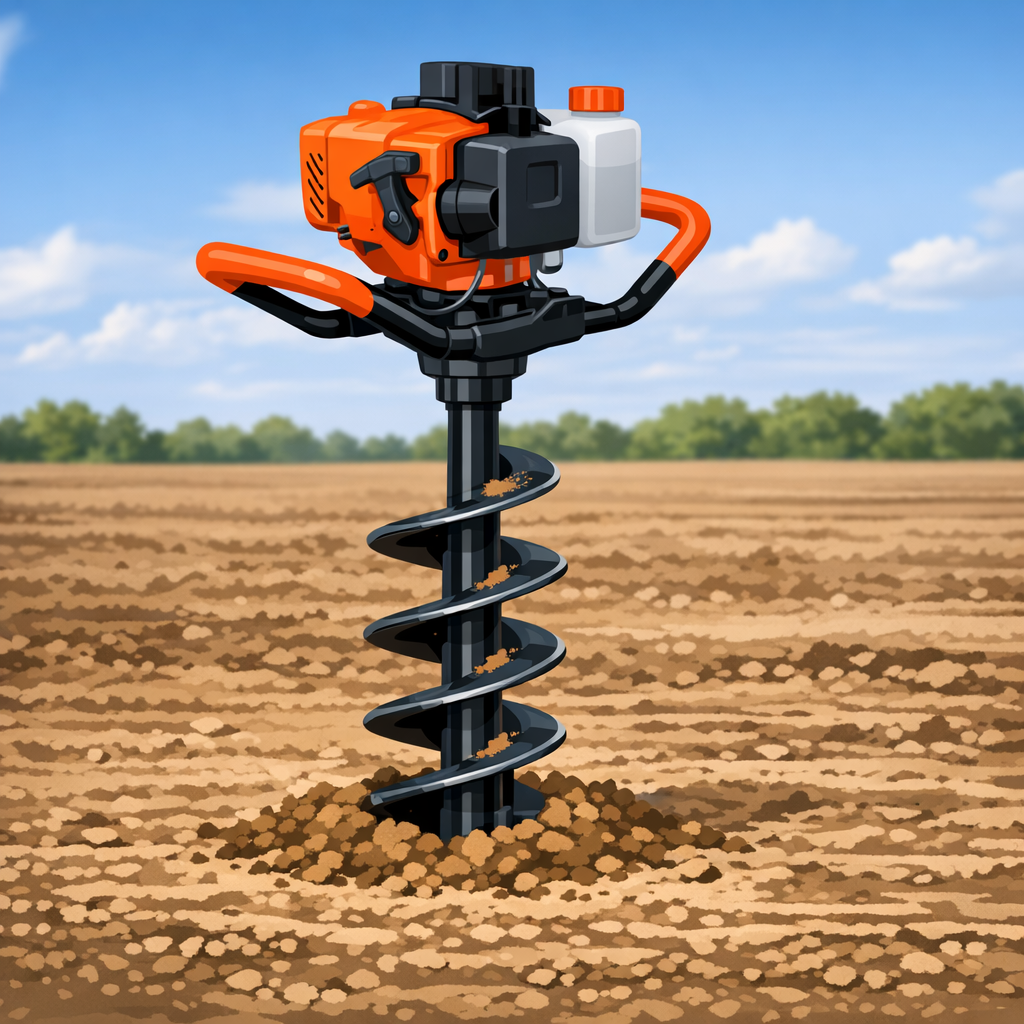
- Mini excavators, rock breaker, trenchers, augers, jackhammers and power digging aids - to minimise the manual digging and shovelling
Use other assistive tools
- Other tools to loosen materials (e.g. fencing bar, mattock or pick) – help in reducing the forces applied when shovelling
Select suitable shovel for the task – consider the different types and design of shovels
When selecting a shovel or spade, consider:
- weight,
- handle type and length, and
- blade size and shapes based on the task
Weight
The amount of muscular effort required during shovelling depends on:
- the total weight of the shovel,
- the weight of the material being moved,
- how far the load is held from the body, and
- hand placement on the handle.
Reducing the weight of the shovel itself (unproductive weight) improves efficiency and reduces strain. Shovels typically weigh from 1.5 kg to 3 kg, depends on the type, material (e.g., steel, aluminium, plastic) and the intended use. Fiberglass shafts are often lighter and stronger than traditional wood.
- A light shovel (e.g. 1.5 kg) may be suitable for loose materials like sand or dry soil.
- A heavier shovel (e.g. 3 kg) may be needed for compacted or coarse materials like gravel or wet earth.
Handles
Handle length and design effects the posture, control, and comfort:
- Long handles reduce bending and support better posture.
- Short handles offer more control when transferring loads.
- When the blade is placed on the ground, the total length of the shovel (blade + shaft + handle) should reach approximately elbow height when standing upright.
- Spades used for digging or cutting turf are generally longer than standard shovels.
- D-grip handles improve control, reduce wrist strain, and support better alignment.
Blade
Blade size and shape should depend on the hardness, density (or weight), and the stability of the materials being shovelled. The less dense the material, the larger the blade size.
| Shovel type | Best for | Features |
|---|---|---|
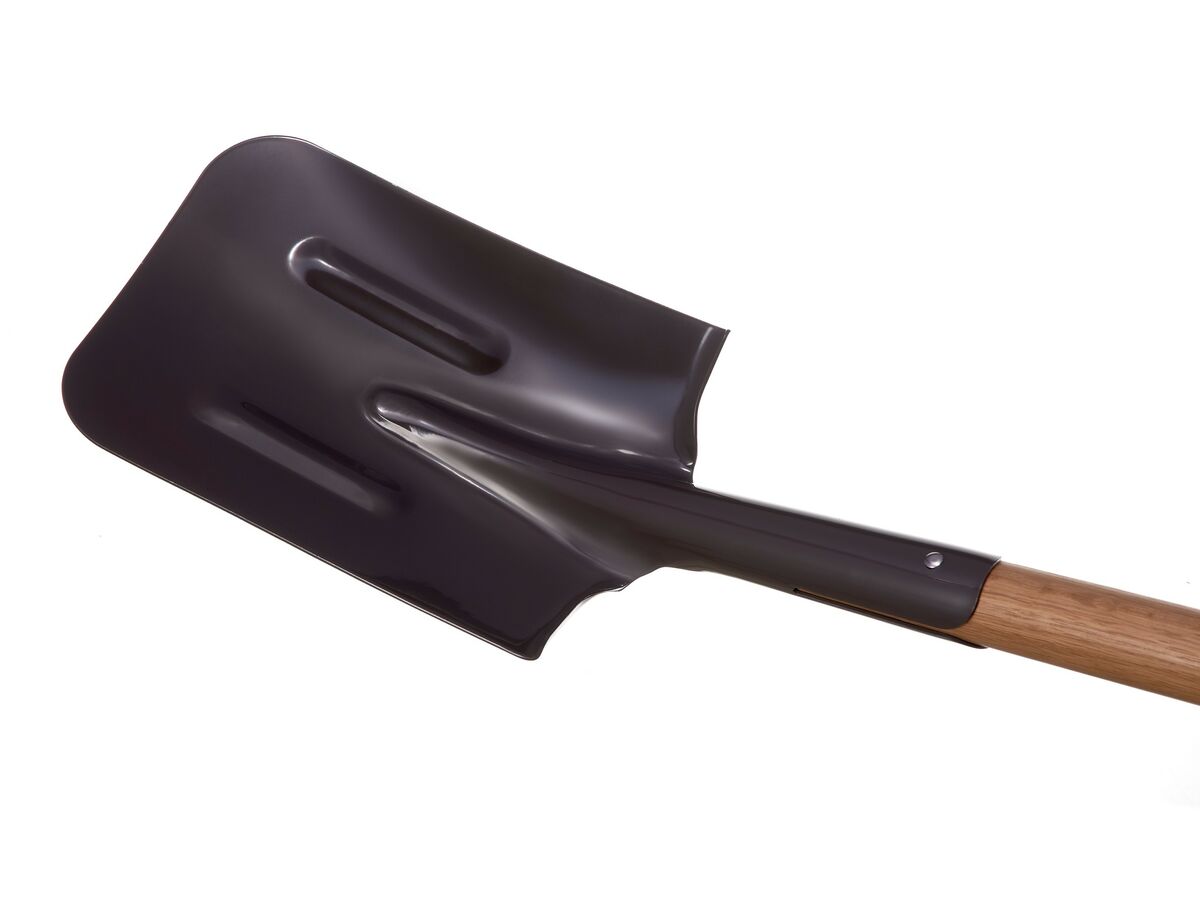
Square shovel
| Moving loose materials like sand, gravel, concrete | Flat blade, ideal for scooping and transferring material |
Round shovel
| Digging into soil, sand or compacted material | Curved blade for penetration and lifting |
Trenching shovel | Digging narrow trenches for small pipes or cables | Long, narrow blade for precision digging |
Concrete shovel | Spreading and shaping wet concrete | Wide blade with raised edges to hold material |
Post hole shovel | Digging deep, narrow holes | Pointed blade with long handle for leverage |
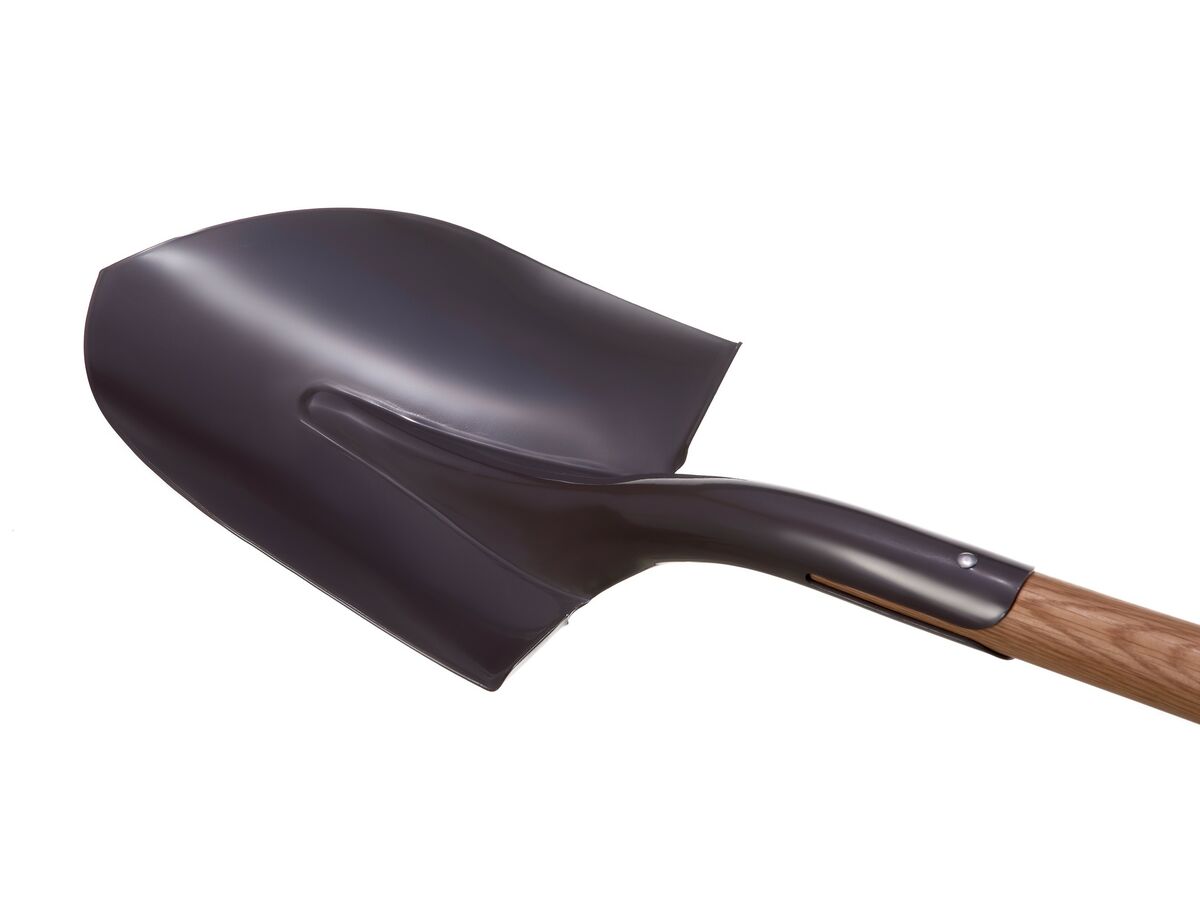
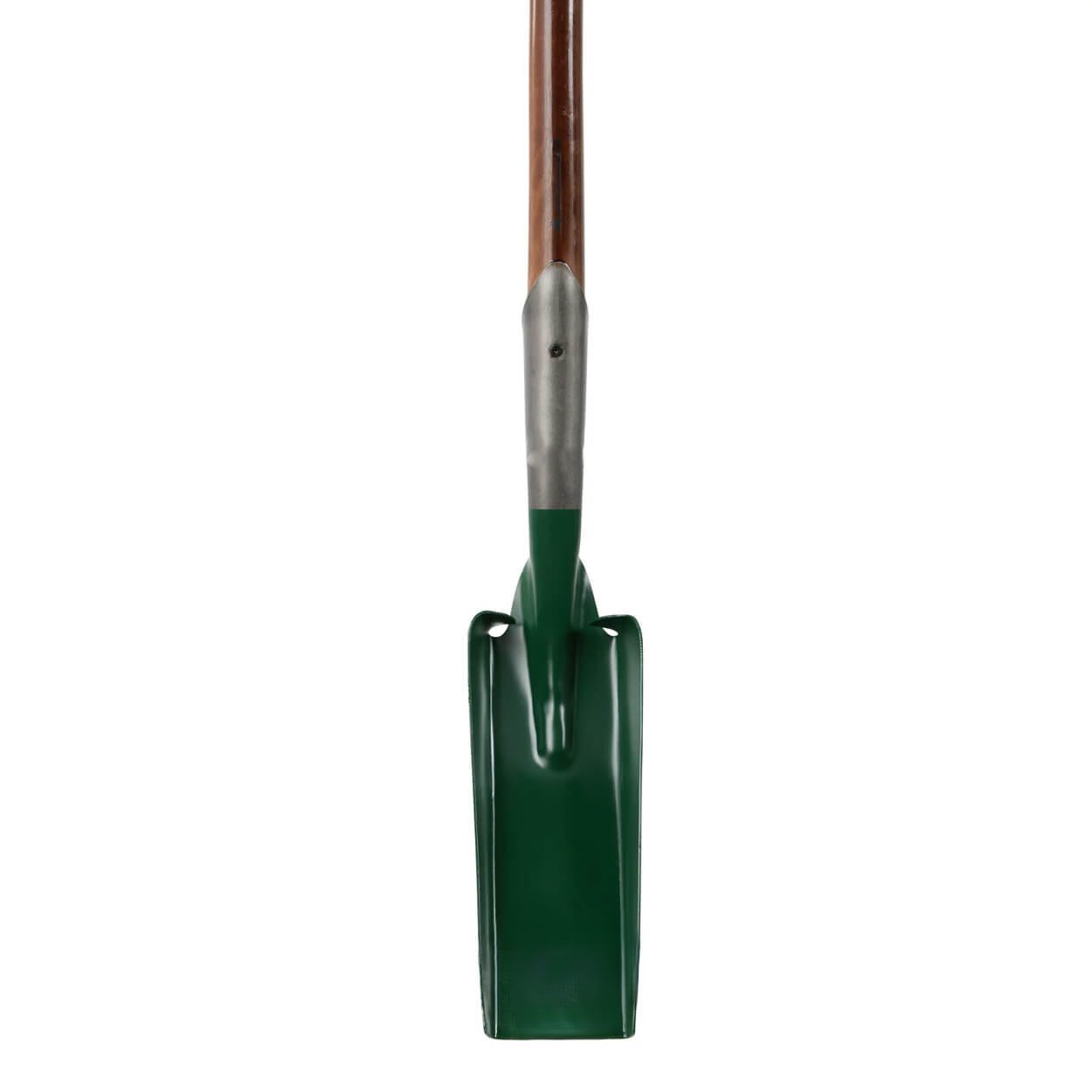
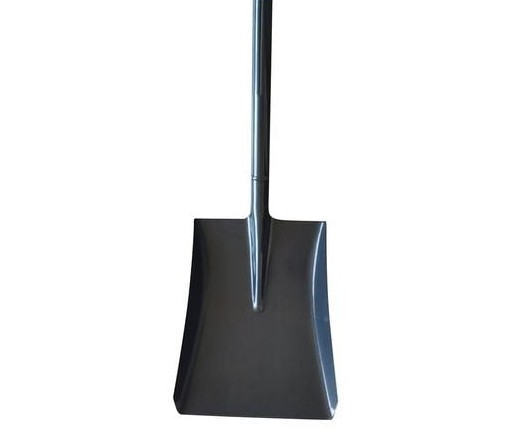
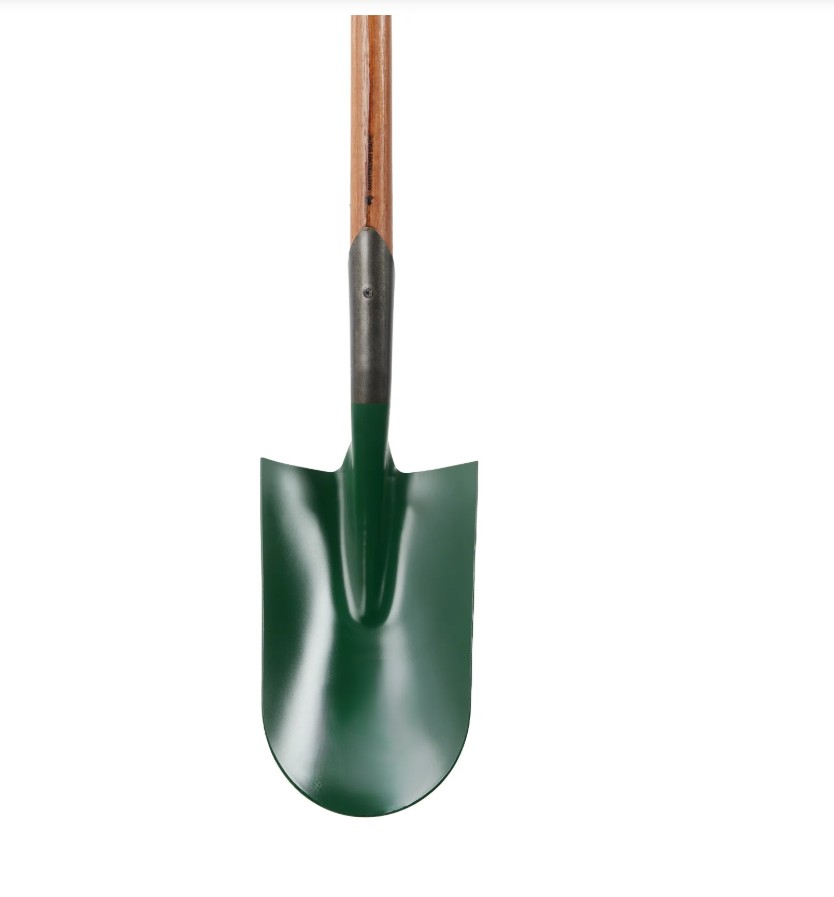
- For digging in hard ground, use blades with a rolled step at the top. This allows foot pressure to drive the blade into the earth, reducing strain on the upper body and lower back.
Other administrative controls
- Pre-soak soil to soften and reduce hard impacts.
- Break tasks into shorter blocks, ideally no longer than 15 minutes, and alternate with non-shovelling or digging tasks to allow recovery.
- Shovelling rates are estimated at about 18-21 scoops per minute. An average of 15 scoops per minute is recommended and is best limited to short durations.
- Monitor weather conditions, in very hot and humid, it may be helpful to allow frequent rest breaks to manage fatigue and allow recovery.
- Adjust the weight of each load based on the rate of shovelling (CCOHS):
- For high shovelling rates (~15 scoops/min), keep total load (shovel + material) between 5–7 kg.
- For heavier loads (e.g. 8 kg), reduce the rate to 6–8 scoops/min.
- For precise placement of loads, lighter loads may be more suitable to reduce effort and improve control.
- Alternating between left and right sides of the body during shovelling can help reduce repetitive strain on one side.
- Position wheelbarrows or skips close to the digging area to reduce the distance materials need to be thrown.
- A throw distance of around 1 to 1.2 metres is generally more manageable and reduces the force required.
Additional resources:
- RMIT University - Reducing musculoskeletal injury in rail construction work
- RMIT University Research to practice report: Musculoskeletal risk reduction - cable-pulling and shovelling
- Research to practice report: Musculoskeletal risk reduction - jackhammering and shotcreting
Some images in this factsheet are computer generated for illustrative purposes only. They may not accurately represent actual workplaces, equipment, or work practices.