


What is the problem?
Steel fixing for concrete slabs involves manually handling and positioning reinforcing steel bars (rebar) and mesh across large slab areas. These tasks often include:
- Unloading and distributing steel reinforcement
- Cutting, bending, and tying steel bars
- Working in crouched, kneeling, or bent postures for long periods
Steel fixing is physically demanding and often carried out in exposed environments on uneven surfaces. Without proper controls, these conditions can lead to sprains, strains and other musculoskeletal injuries.
What is the risk?
If not well-controlled, steel fixing tasks can cause musculoskeletal injuries to the back, shoulders, knees, ankles, wrists, and hands. Common risk factors include:
- Sustained, awkward postures such as crouching, kneeling, bending, or reaching
- Repetitive force exertion during tying, cutting, and placing rebar
- High or sustained forces when lifting and positioning heavy bundles of rebar or sheets of mesh
- Carrying materials through cluttered areas, increasing the risk of slips, trips and falls
- Walking or standing on unstable surfaces, such as mesh or bar grids, which can cause ankle sprains, foot injuries or falls.
Steel fixing often requires working close to ground level, with limited ability to vary posture. The repetitive use of pliers, nips or tying tools places significant strain on the hands, wrists, and forearms.
Injuries can happen suddenly or develop slowly over time from repeated exposure.
How to reduce the risk?
Site preparation – Plan ahead is key
- Ensure clear access for delivery, unloading and distribution of steel reinforcement
- Store steel as close as reasonably practicable to where it will be fixed to reduce carrying distance
- Plan for a flat, stable ground area where steel will be transported, placed and cut
- Communicate with suppliers about delivery timing, unloading needs and any equipment required
- Install temporary walkways, covers or platforms over reo mesh or bar grids to provide stable secure footing
- Consult with workers and subcontractors to identify hazardous manual task risks and agree on safe, practical work methods before tasks begin.
Use mechanical aids wherever possible
- Crane or forklift – for unloading and placing steel bundles
- Mechanical rebar benders and cutters – to reduce manual effort and improve precision
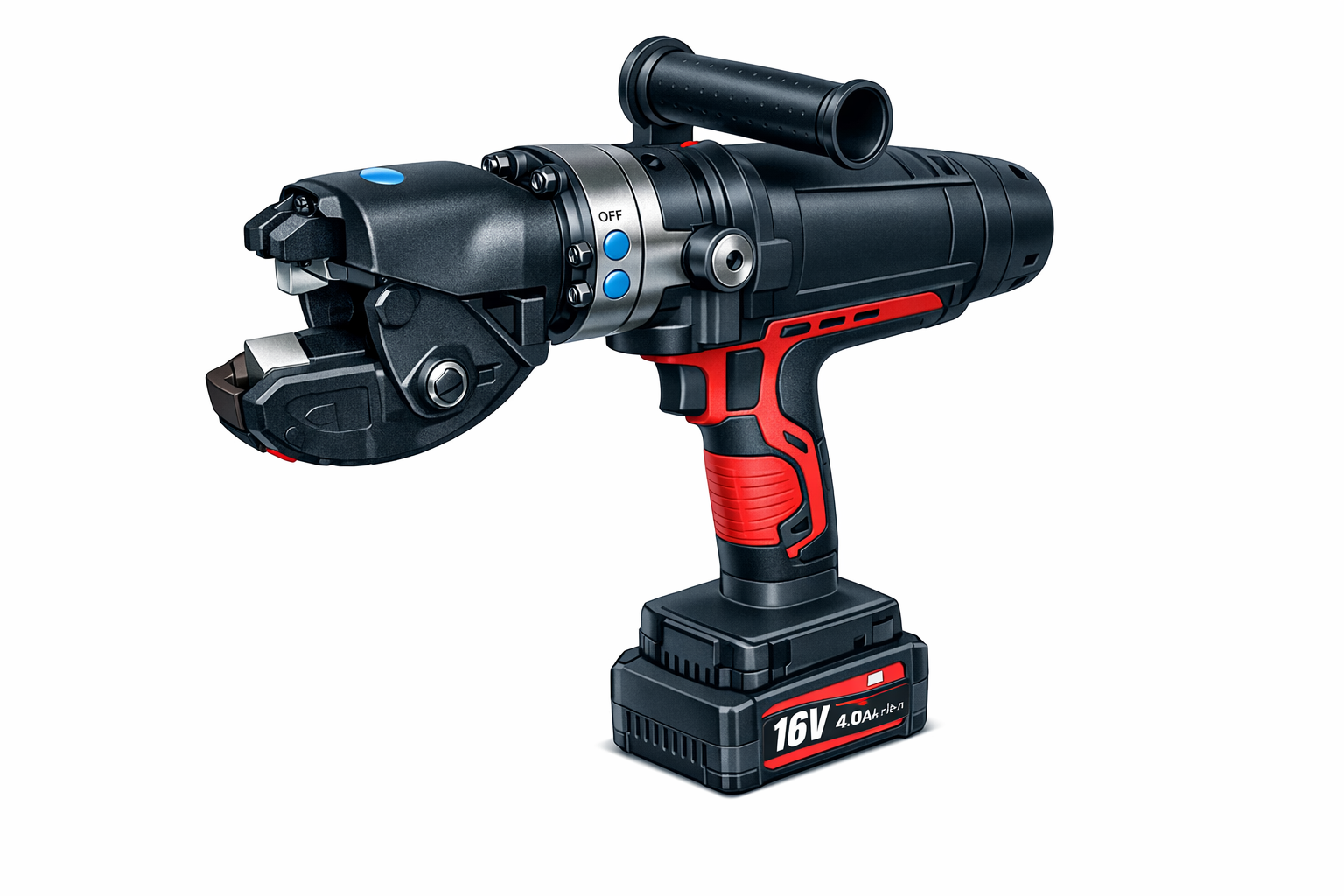 Rebar powered cutter tool
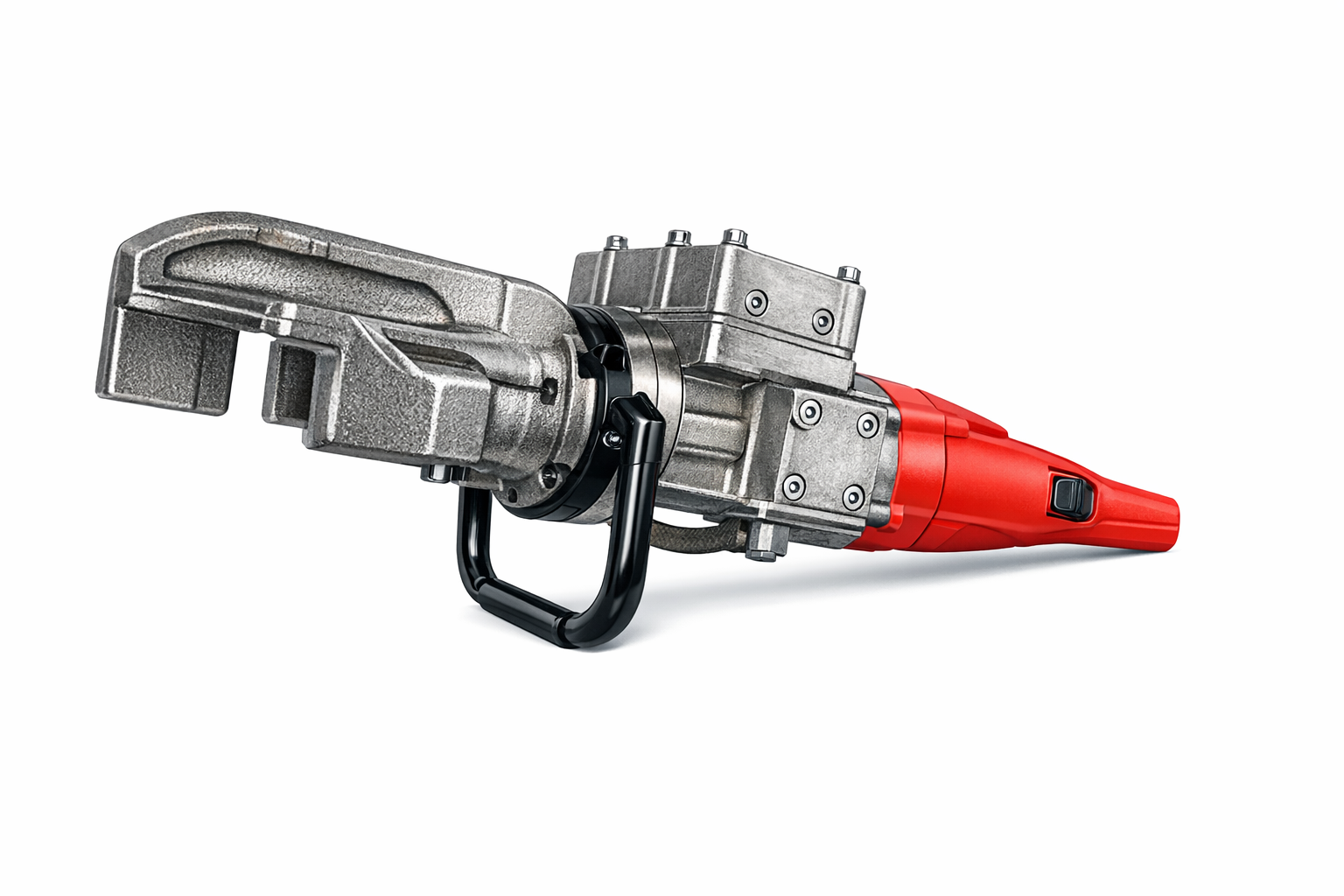 Electric Rebar Bender
- Rebar tie guns or powered tying tools – to reduce repetitive strain from manual tying
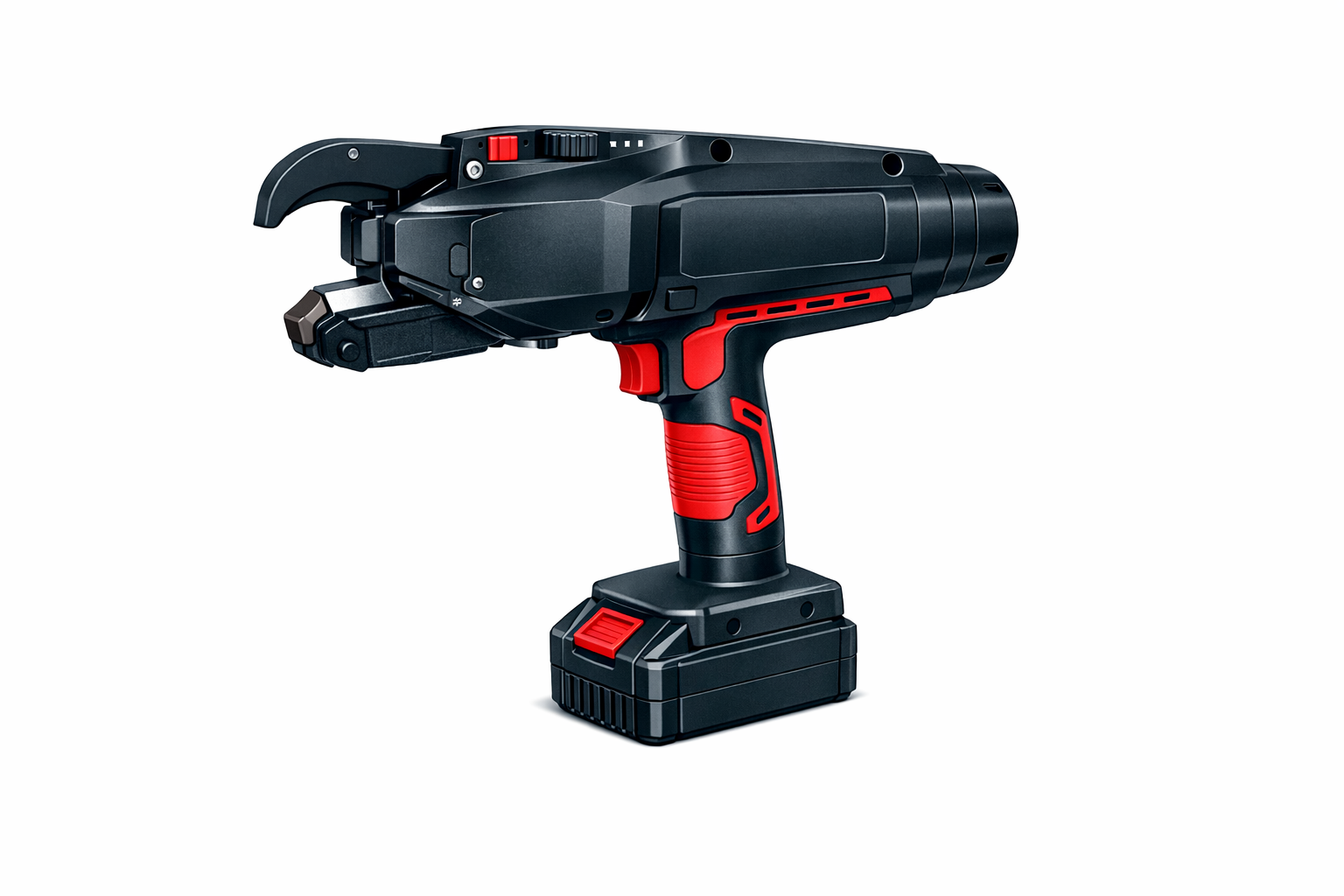 Rebar powered tying tool
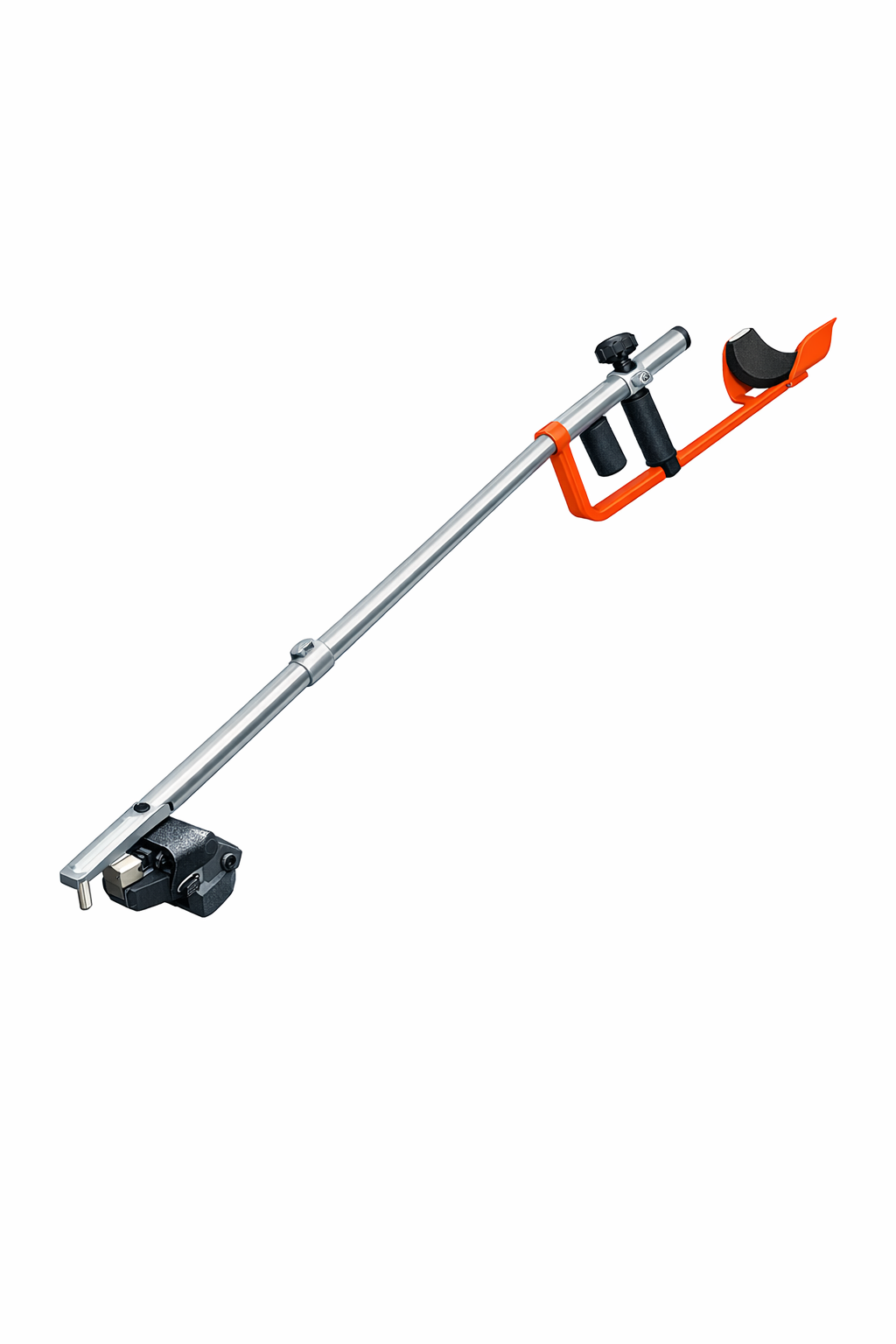 Rebar tier extension arm
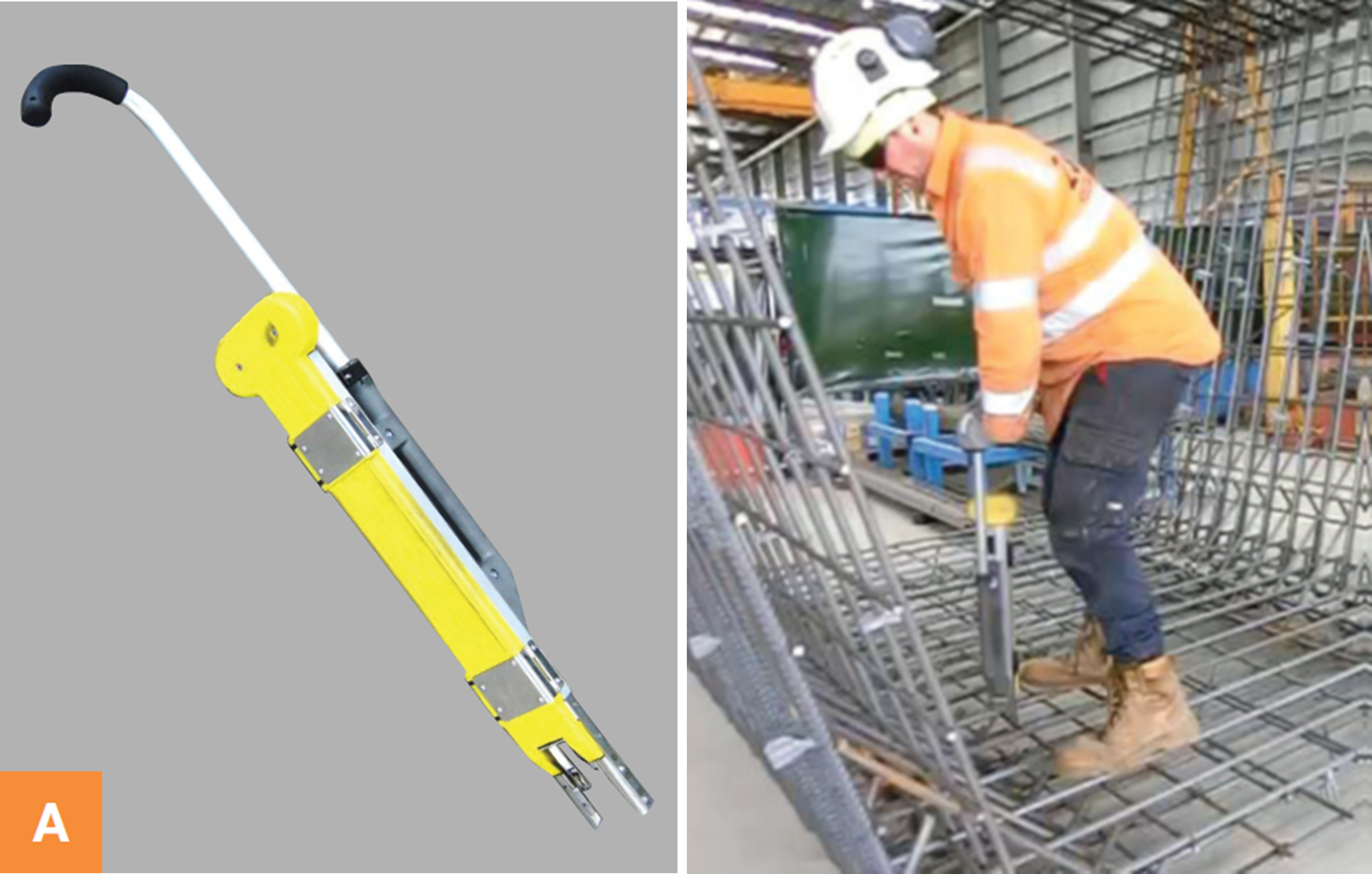 The long-handled stapler tool
The extension arm or the long-handled stapler tool can significantly reduce bending of the back when working below knee level.
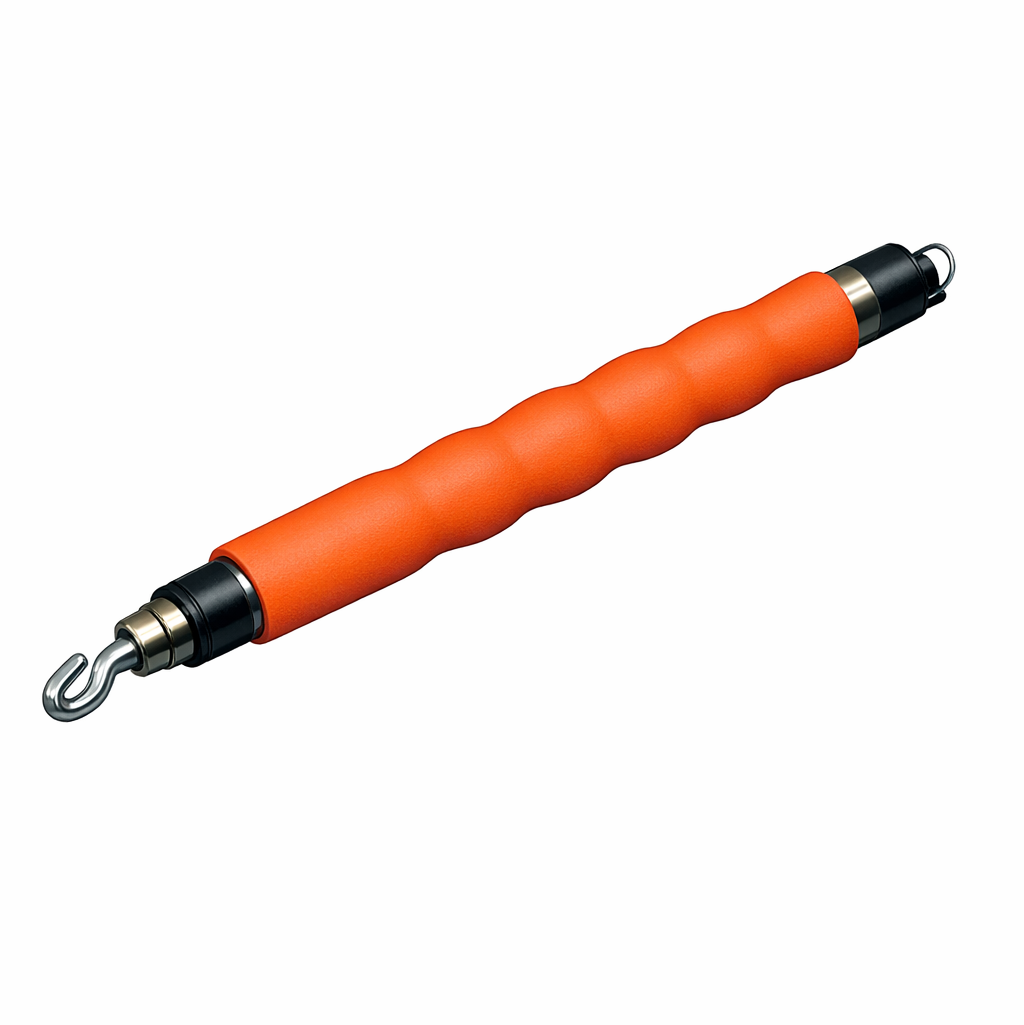
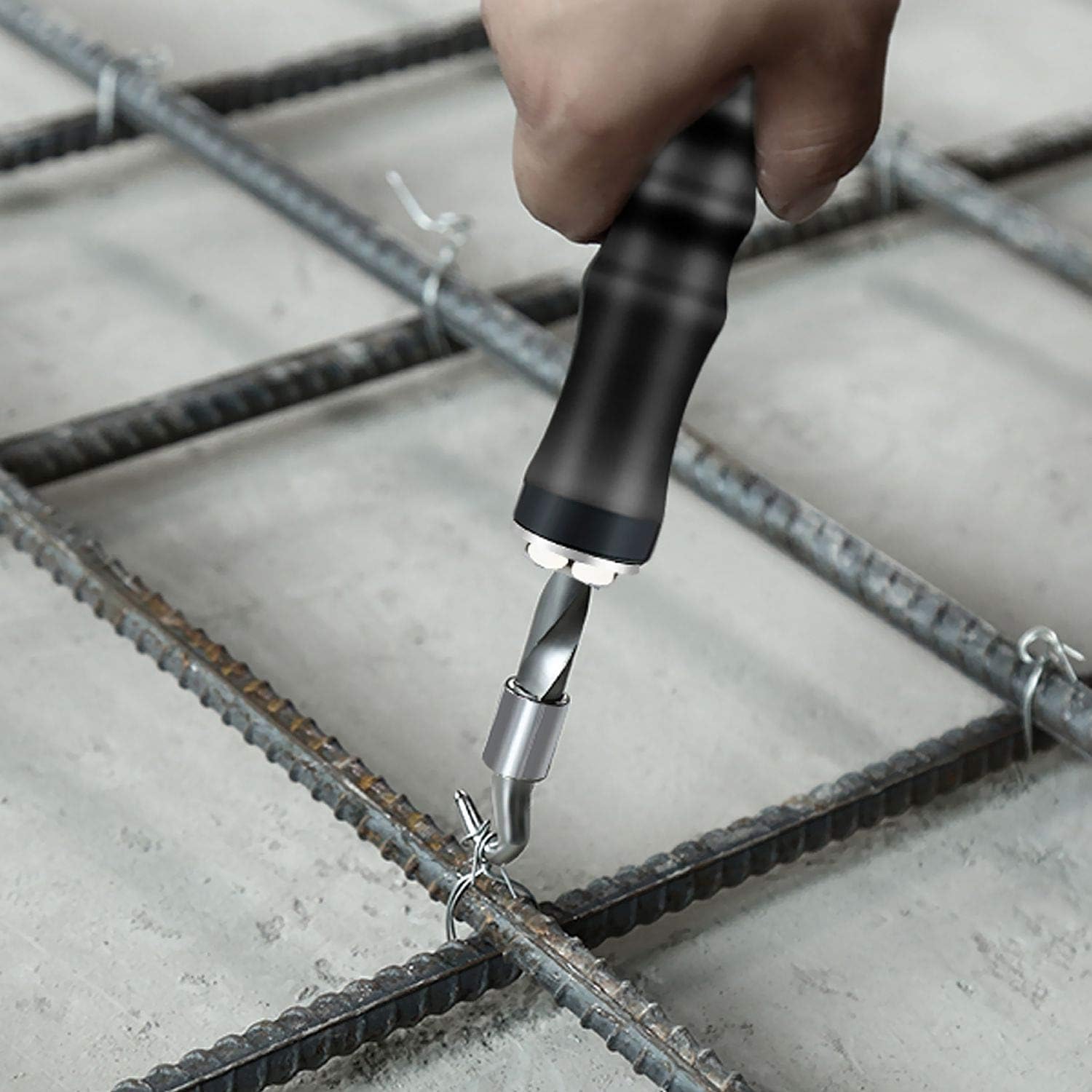
- Tie wire twister tools – helps minimise repetitive force of manual tie wire application
- Work kneeling supports – to reduce contact pressure during low-level work
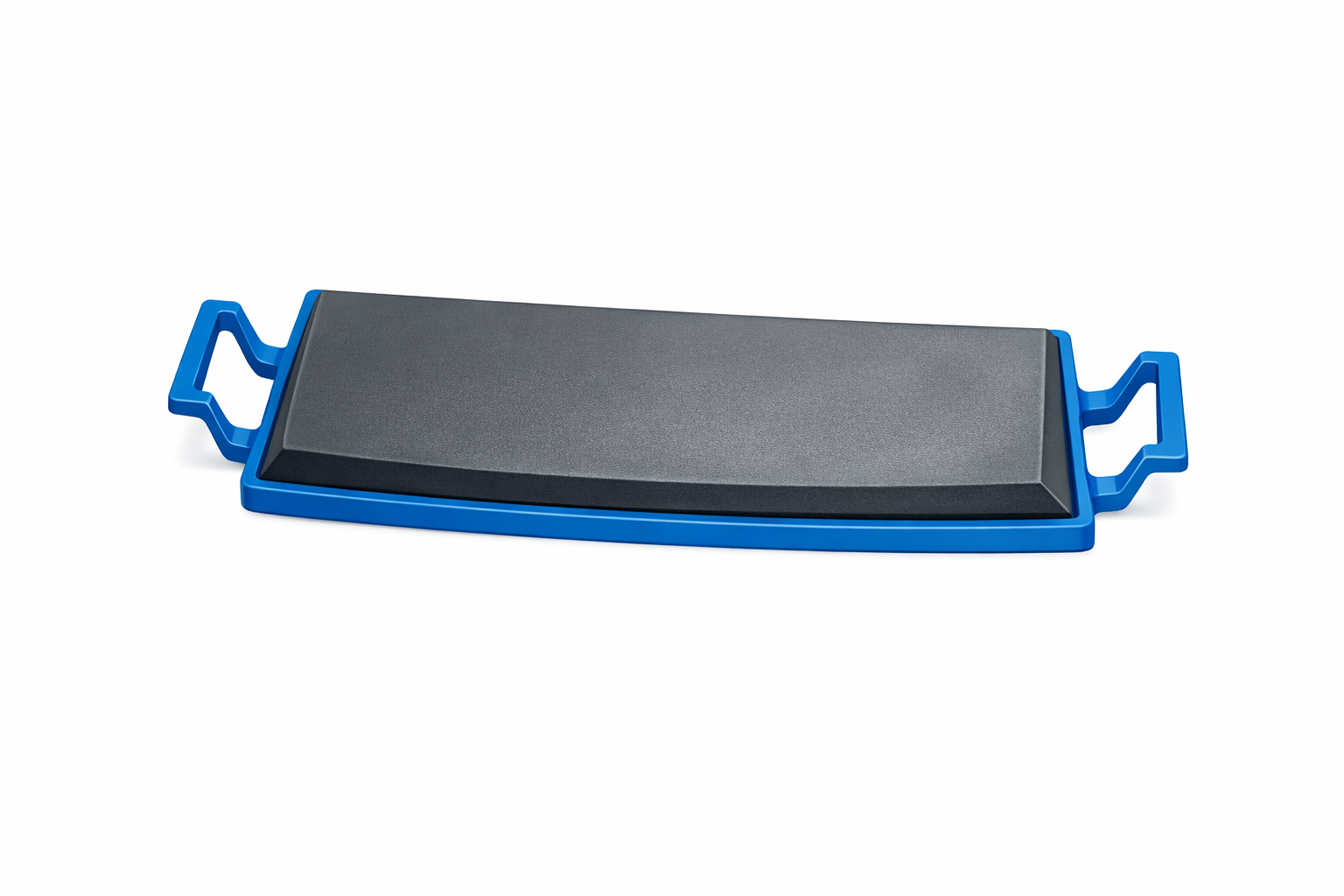
Kneeling board
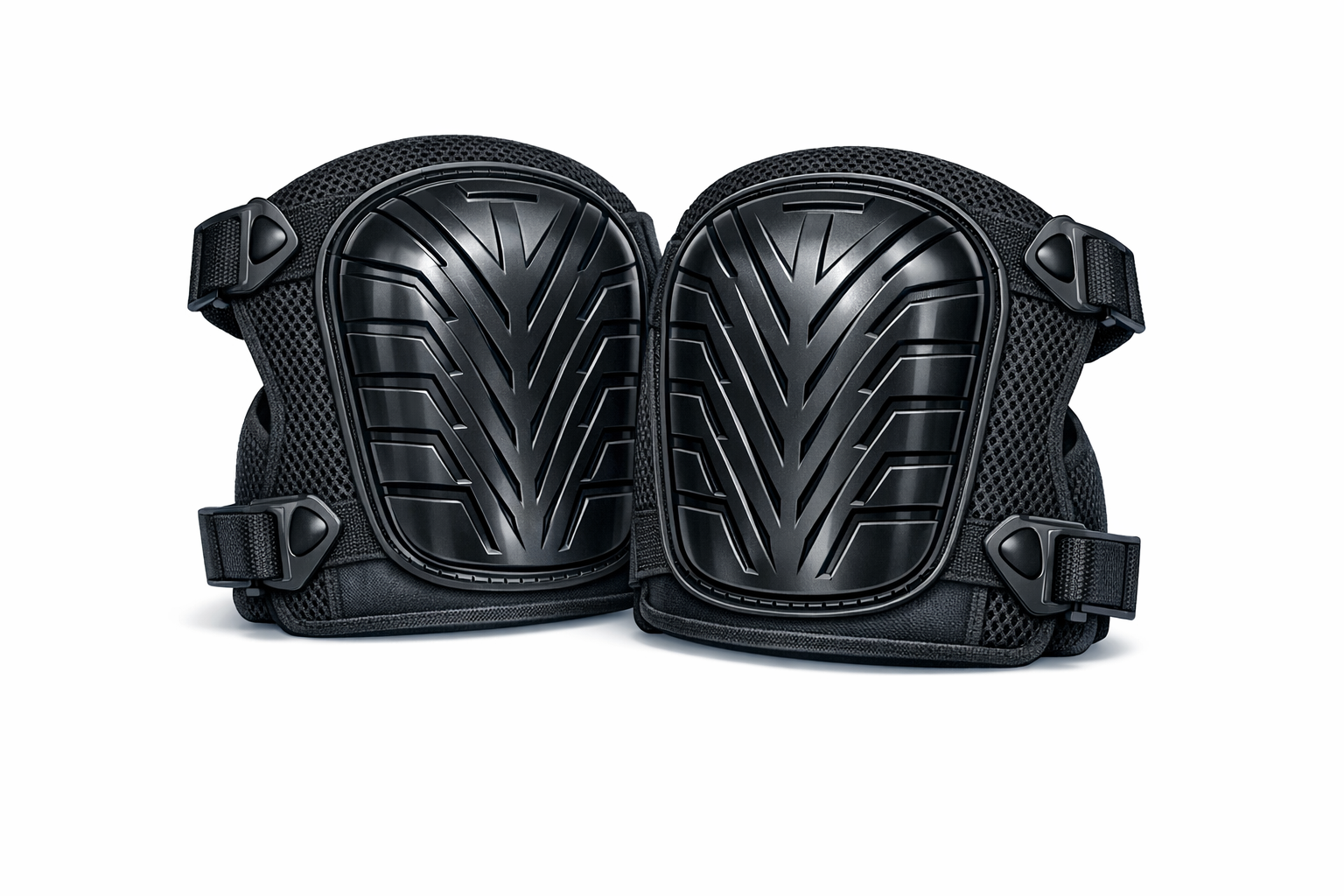
Knee pads
- Choose knee pads with a wide, stable base to avoid slipping between reo bars and improve stability and comfort when kneeling on mesh surfaces.
Other administrative controls
- Use temporary mesh covers, plywood sheets or scaffold planks to create stable walking paths over reo.
- Store steel off the ground using bearers or supports to reduce bending and lifting from ground level, where practical.
- Plan work to minimise carry distances and include rest breaks for grip adjustment and recovery.
- Rotate tasks or allow short task breaks to reduce prolonged exposure to repetitive movements (tying, cutting) or sustained or awkward postures (kneeling, bending)
- Encourage early reporting of discomfort and address the sources of the risk.
- RMIT University - Reducing musculoskeletal injury in rail construction work
- RMIT University - Research to practice report: Musculoskeletal risk reduction - steel-fixing
Additional resources:
Some images in this factsheet are computer generated for illustrative purposes only. They may not accurately represent actual workplaces, equipment, or work practices.