


Note that there aren’t any passenger ropeways (i.e. cable cars, chairlifts, surface lifts, aerial tramways, gondolas) operating in South Australia as of June 2026.
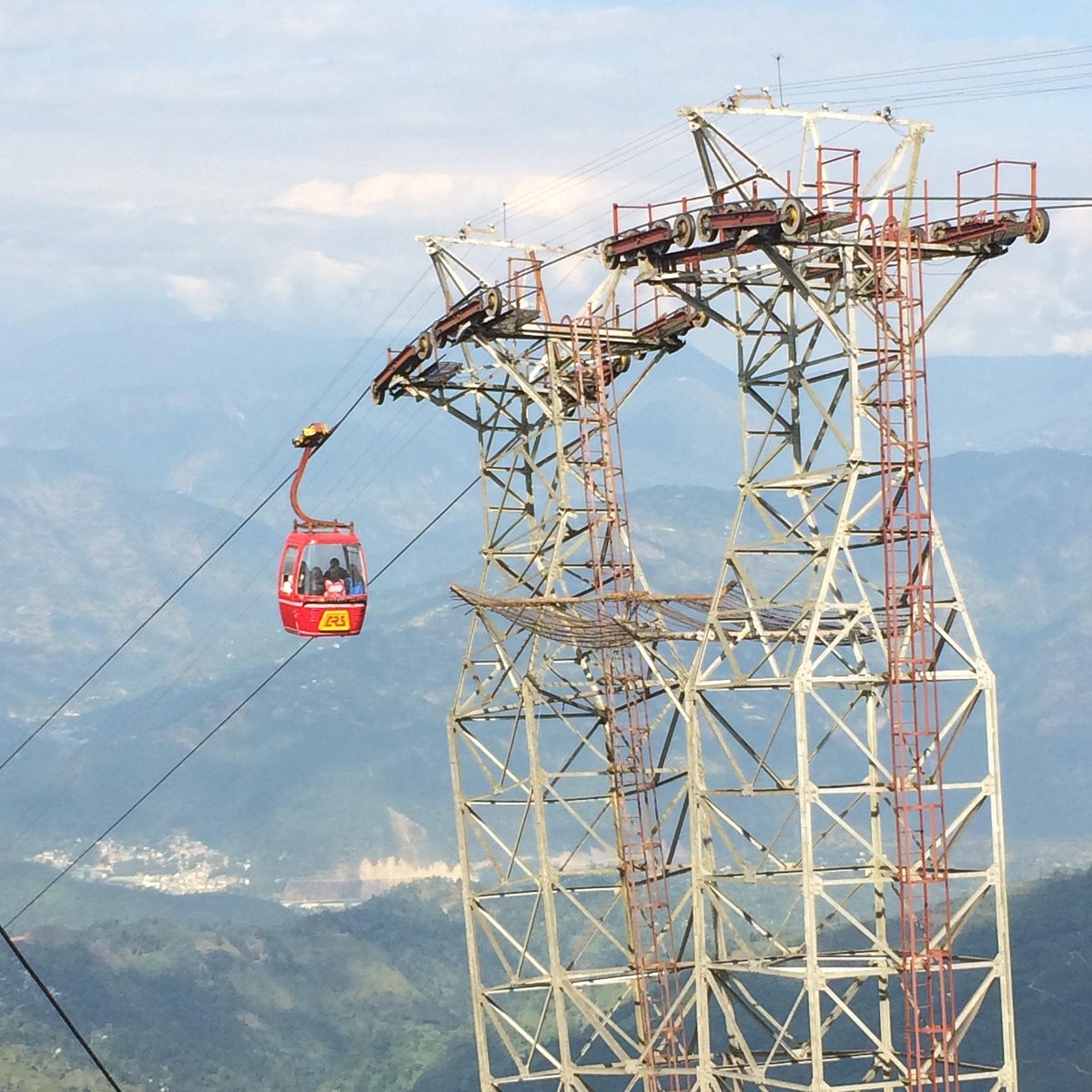
A passenger ropeway is a powered ropeway used for transporting, in a horizontal or inclined plane, passengers moved by a carrier that is:
- attached to or supported by a moving rope, or
- attached to a moving rope but supported by a standing rope or other overhead structure including in relation to the powered ropeway the prime mover, any associated transmission machinery and any supporting structure and equipment, but does not include any of the following:
- a cog railway
- a cable car running on rails
- a flying fox or similar device, and
- an elevating system for vehicles or boat style carriers associated with amusement devices e.g. an elevating system for a log ride or boat flume ride.
Hazards
Passenger ropeway operations may present a risk of injury to workers and other people from:
- Structural failure: repeated stress cycles can cause cracks in steel supports and other critical components resulting in catastrophic structural failure.
- Falls from height: operators falling while accessing the plant or performing maintenance.
- Other hazards: noise, fatigue, psychosocial hazards (e.g. high job demands, remote or isolated work, or poor physical environments).
Safety requirements
- Training: ensure operators are trained on the specific plant controls, including emergency procedures, and are licenced and follow SOPs and SWMSs.
- Exclusion zones: ensure they are in in place.
- Communication: have an agreed system of communication with support personnel.
- Wind: monitor wind speeds and their effect the plant and stop if needed.
High Risk Work Licence
A person who operates a passenger ropeway does not require a high risk work licence.
Registration
Passenger ropeways require design registration but not plant item registration.
Registration costs can be found at Registration Fees.
Design registration
Plant design registration – Guidance notes
To register or alter the design of plant:
Plant design - New or alteration to design
The passenger ropeway can be designed to any internationally recognised published technical standard with the following documents being required for the registration of the plant design:
- each model must have a separate design registration application form.
- statement signed by the designer of the plant stating:
- the designer has complied with their obligations under section 22 of the WHS Act.
- the published technical standards and engineering principles used in the design.
- design calculations and drawing(s) in English, as referenced in the designer's statement
- an independent design verification statement.
- payment of the fee which lasts for the life of the design (payable on completion of the online application).
Note:
- design registration applies to all plant items manufactured to the same design.
- design registration is valid for the life of the plant.
- manufacturers, importers, and suppliers of plant are prohibited from supplying plant unless the design of that plant is registered.
- design registration in SA is not required if the plant design is registered in another state under a corresponding WHS law (WHS Act 2012 (SA)).
- any alteration to the design of registered plant that may affect health, and safety requires an alteration to its design registration.
Change of details
You must provide us with written notice within 14 days if:
- you change your name or address, or any other information stated on your application for registration.
- the plant design has been altered to an extent where it is subject to new control measures.
Inspection and maintenance
According to WHS Regulation 238 (2) – Operation of amusement devices and passenger ropeways:
- The person with management or control of an amusement device or passenger ropeway at a workplace must ensure that:
- the amusement device or passenger ropeway is checked before it is operated on each day on which it is to be operated; and
- the amusement device or passenger ropeway is operated without passengers before it is operated with passengers on each day on which it is to be operated
Record keeping
According to WHS Regulation 238 (2c) the person with management or control of an amusement device or passenger ropeway at a workplace must ensure that the daily checks and operation of the amusement device or passenger ropeway without passengers are properly and accurately recorded in a logbook for the device or ropeway.
The logbook can take the form of a physical book, or an electronic version. If it is stored in electronic format, it must be able to be accessed directly from where the amusement device is located.
Refer to WHS Regulations 237(5), 238(2)(c), 242.
Contact us
Visit: safework.sa.gov.au
Call: SafeWork Licensing Unit on 1300 365 255
Email: licensing.safework@sa.gov.au
Further information
Resources
Legislation
- WHS Act 22 - Duties of PCBUs that design plant, substances or structures
- WHS Regulation 213 – Maintenance and inspection of plant
- WHS Regulation 237 – Records of plant
- WHS Regulation 238 – Operation of amusement devices and passenger ropeways
- WHS Regulation 241 - Annual inspection of amusement devices and passenger ropeways
- WHS Regulation 242 – Logbook and manuals for amusement devices
- WHS Regulation 244 – Altered plant designs to be registered
Australian Standards
- AS 3533 – Amusement rides and devices
- AS 3533.1 – Amusement rides and devices – Design and construction
- AS 3533.2 – Amusement rides and devices – Operation and maintenance
- AS 3533.3 – Amusement rides and devices – In-service inspection
- AS 4722: Passenger ropeways and passenger conveyors
Codes of Practice