


What is the problem?
Formwork tasks, such as erecting, altering and stripping, often involve handling large, heavy and awkward components including panels, bearers, props and bracing systems. These tasks are physically demanding and frequently performed in awkward or overhead postures, requiring repetitive high force. This increases the risk of musculoskeletal disorders (MSDs).
Common activities include:
- Erecting and positioning formwork panels and props
- Adjusting bracing systems and supports
- Hammering or levering to release stuck components
- Stripping formwork after concrete has cured
- Transporting and stacking materials for reuse or disposal
Formwork components vary significantly in size, shape, and weight, depending on the system (conventional vs modular). Material includes timber, plywood, steel, aluminium and plastic.
- Plastic and aluminium components are generally lighter and easier to handle
- Timber and plywood weight depends on thickness and moisture content
- Steel is the heaviest and often requires mechanical lifting due to its density and larger panel size.
What is the risk?
If not properly controlled, formwork tasks can lead to MSDs, including sprains, strains, and overuse injuries affecting the back, shoulders, neck, arms, and hands.
Key manual handling risk factors include:
- Sustained or awkward postures, such as bending, twisting, reaching overhead, or working at low levels while handling panels, bearers or props
- Sustained forceful exertion, such as holding or supporting components during installation or stripping, especially overhead
- Repetitive forces, including hammering or levering stuck components, or repeatedly adjusting props and braces
- Uneven, unsecured, cluttered formwork surfaces, which increases the risk of slips, trips and when moving across formwork or working during concrete pours
These risks are influenced by the type of formwork system, component design, site layout, and overall work environment. Injuries may occur suddenly or develop gradually over time from repeated exposure.
How to reduce the risk?
Plan ahead – before work starts
Consult with designers and engineers to understand the formwork system, layout, and sequence of erection, alteration and stripping, including:
- Type of formwork system (conventional vs modular: modular systems often requuire less manual handling)
- Design features that reduce manual handling, such as precast elements, installation aids or reduced working heights
- Components specifications (e.g. prop size, bearer configuration, drop head systems)
- Integration of access platforms and safe stripping procedures
Assess the layout and sequence to reduce manual handling.
Coordinate with subcontractors and workers to identify risks, plan safe methods and agree on practical handling solutions before work begins
Select the right formwork system
Broadly, there are two categories of formwork:
- Conventional formwork: site-built (timber/plywood, lots of cutting and fixing, highly flexible but labour intensive).
- Modular formwork: pre-engineered, prefabricated systems (panels, frames, decks, etc.), designed for repetitive use and faster assembly.
- Involves high manual handling demand
- Heavy sheets/joists, beams repeatedly lifted, cut, nailed, and stripped
- Frequent bending, twisting, and overhead work
- High HMT risk in erection and stripping
- Lighter than timber but involves repetitive lifting, overhead placement, and frequent prop adjustment.
- Minimal manual carrying; crane does most lifting.
- Workers mainly guide and connect units.
- Panels installed by crane; workers guide/align.
- No stripping required = very low handling demand.
- Usually craned into place; workers guide and bolt panels.
- Reduced carpentry tasks = less sawing, hammering.
- Some risk when manhandling smaller panels.
- Smaller, lighter panels (~15–25 kg) but still repetitive lifting and bracing.
- Easier than conventional but still involves awkward postures and high forces during erection and stripping
- Once assembled, minimal manual handling.
- Workers guide, bolt, and adjust as system climbs.
- Very low handling compared to conventional
- Store materials close to the work area to reduce carrying distances
- Use mechanical aids (e.g. forklifts, cranes, panel lifters) for formwork components
- Ensure stable, level surfaces for safe movement and positioning
- Provide temporary or mobile work platforms for overhead tasks
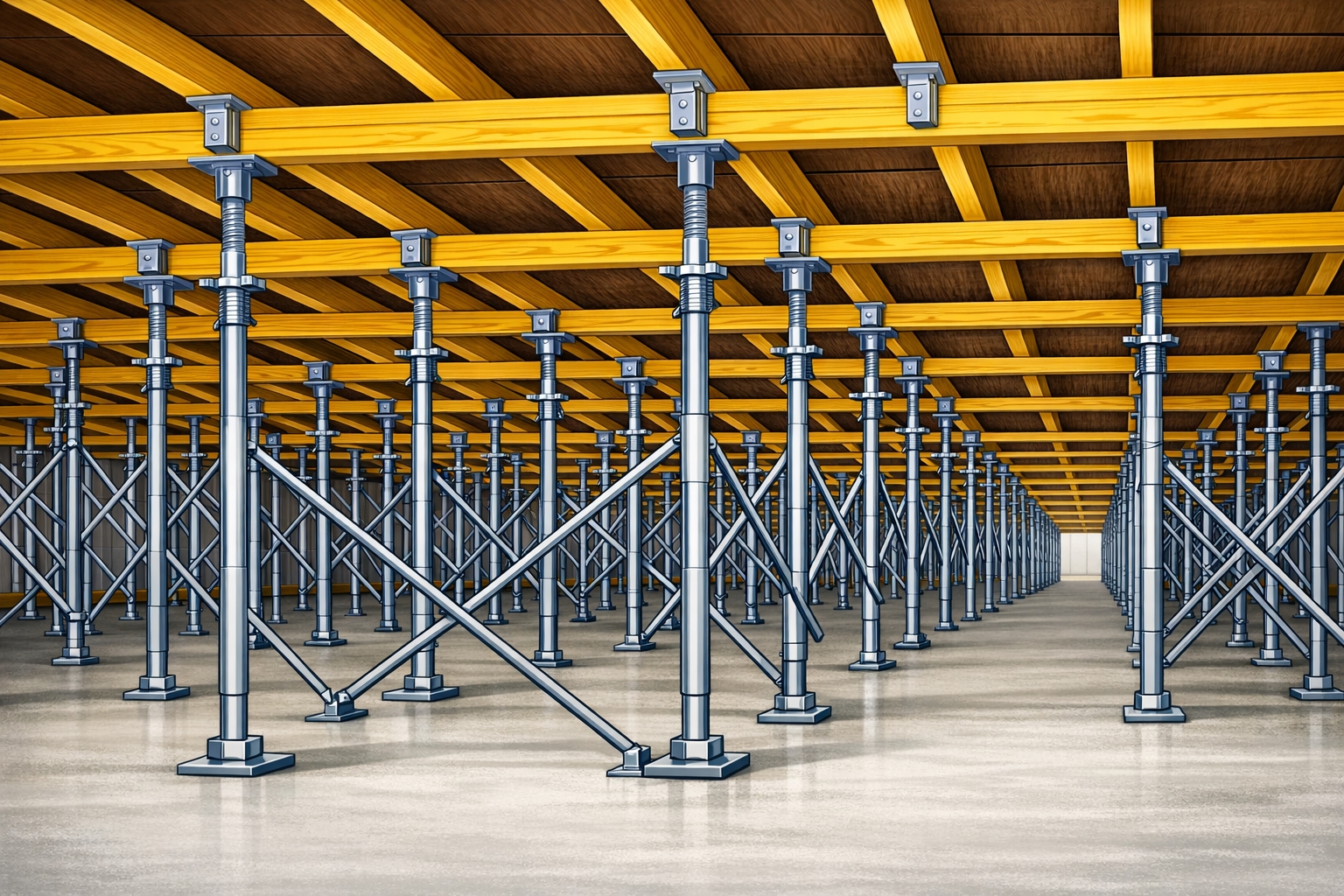
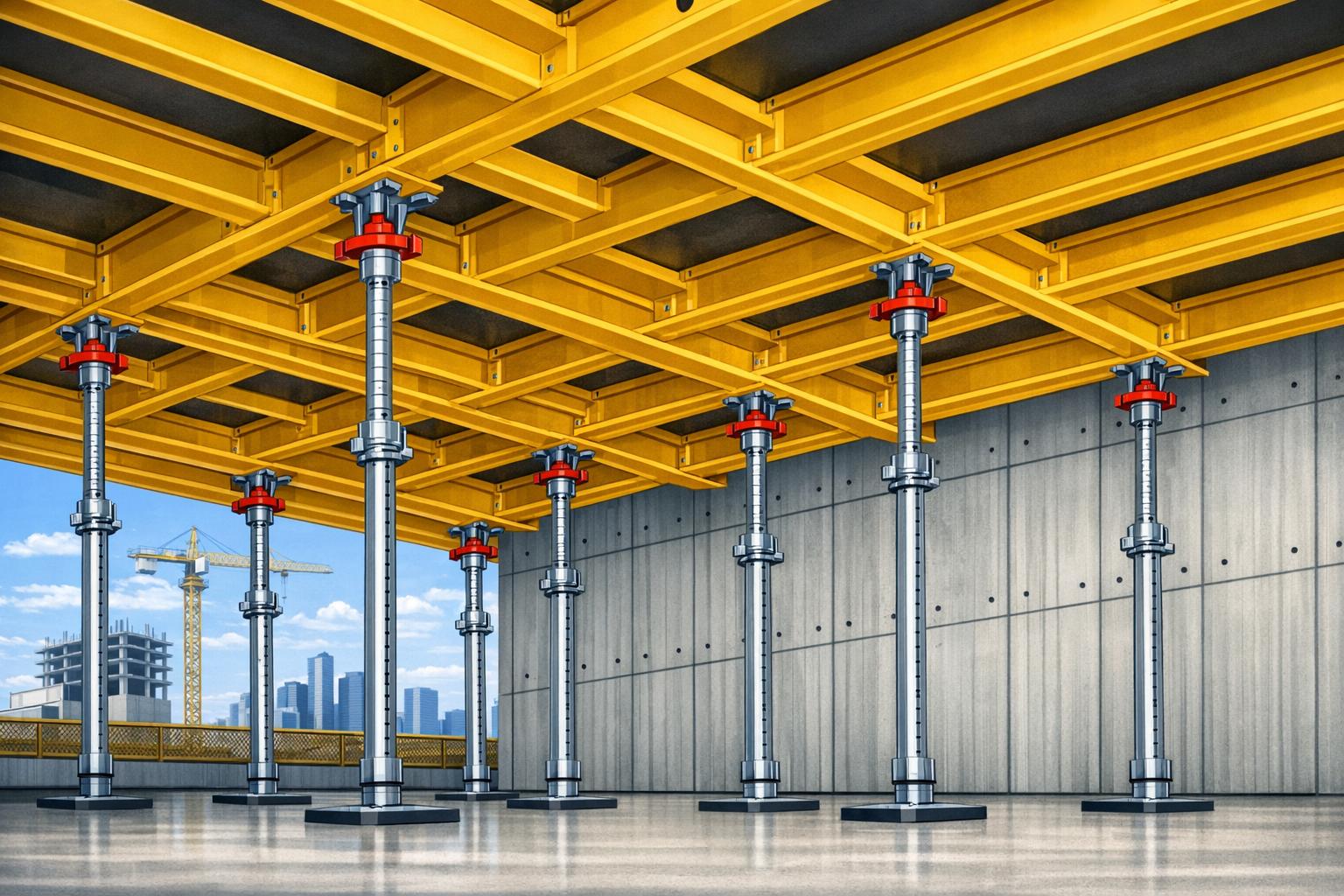
- When planning conventional formwork systems, consider slab height, frame configuration and U-head jack lengths to ensure adequate vertical clearance for safe load release and stripping
- Prop removal tools – to release props without high force exertion
- Erect and dismantle formwork systematically under supervision of a competent person
- Follow manufacturer or designer instructions for each system
- For conventional formwork systems, ensure sufficient headroom during stripping to allow U-head jacks to be removed before dismantling the formwork frames, particularly where systems are two frames high.
- Minimise working at height by assembling components on the ground where possible
- Use team lifting or mechanical assistance for long or awkward components like bearers and props
- Monitor work areas for stability clutter and trip hazards - especially when walking on formwork surfaces.
| Type of formwork | Description | Manual handling considerations |
|---|---|---|
Conventional Formwork System | ||
Timber/plywood (site-built)
| Built on site from timber and/or plywood. Flexible for irregular or small-scale work. Sheets typically 1.2 m × 2.4 m, weighing 20–30 kg. Joists/bearers 2–4 m, 10–25 kg. | |
Modular Formwork Systems | ||
Slab/deck systems – Panel-and-prop
| Lightweight aluminium panels (typically 1.0–2.4m long, weighing 15–25 kg) supported by props. Panels often dropped early and reused. | |
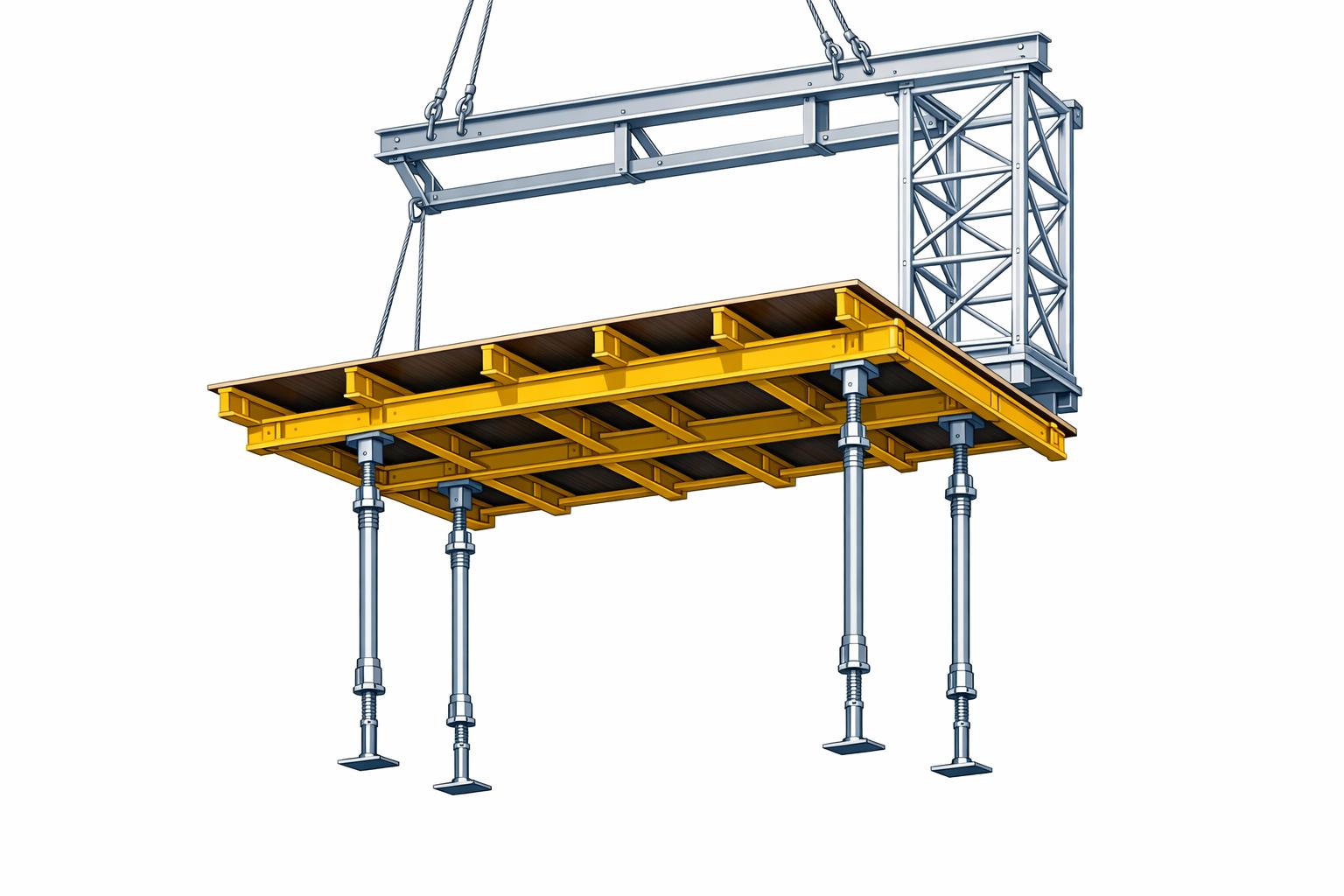
Slab/deck systems – Table/flying forms
| Large, preassembled slab tables craned into position. Common in commercial/high-rise. | |
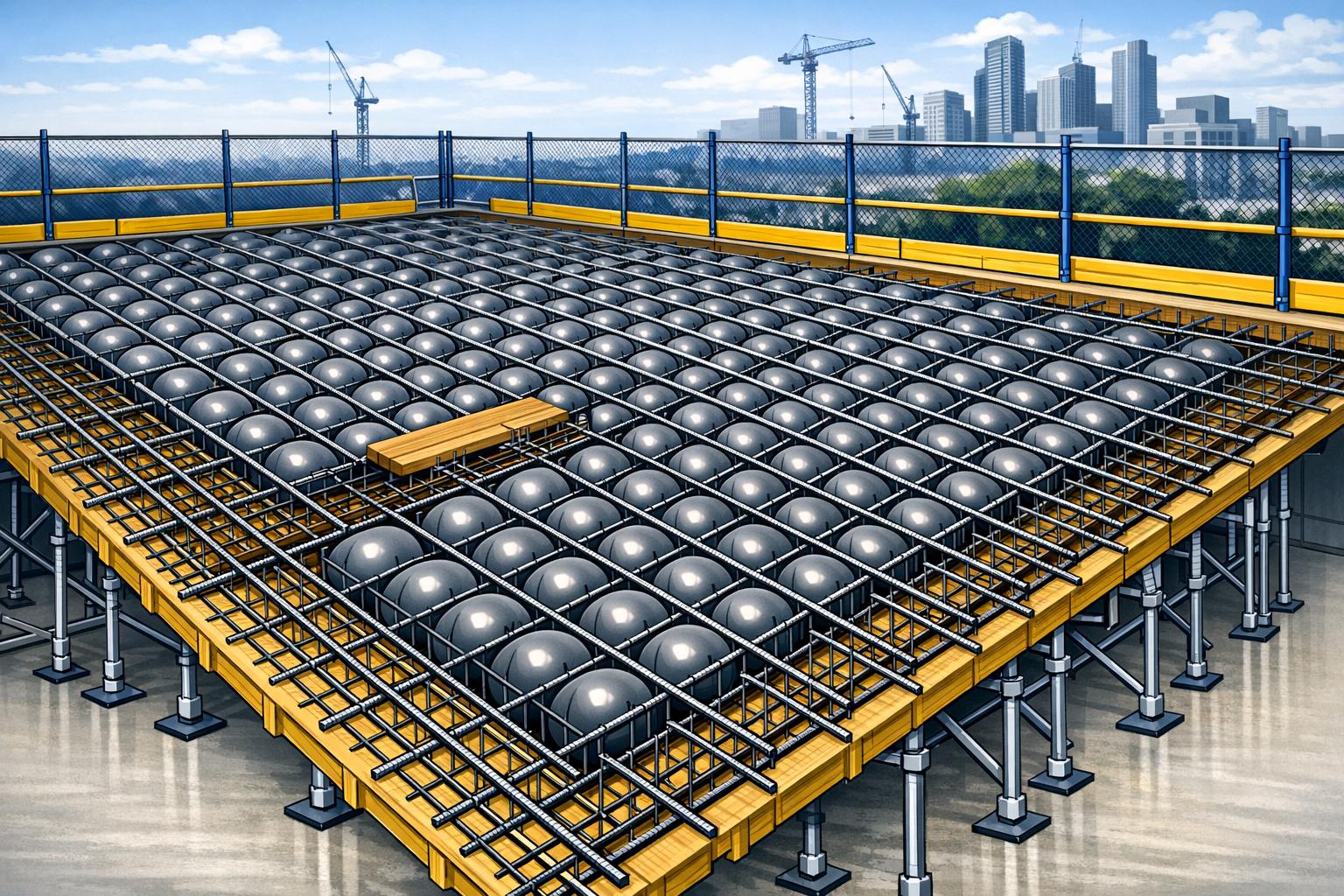
Slab/deck systems – Voided slab
| Precast panels with plastic voids, craned in and concreted. | |
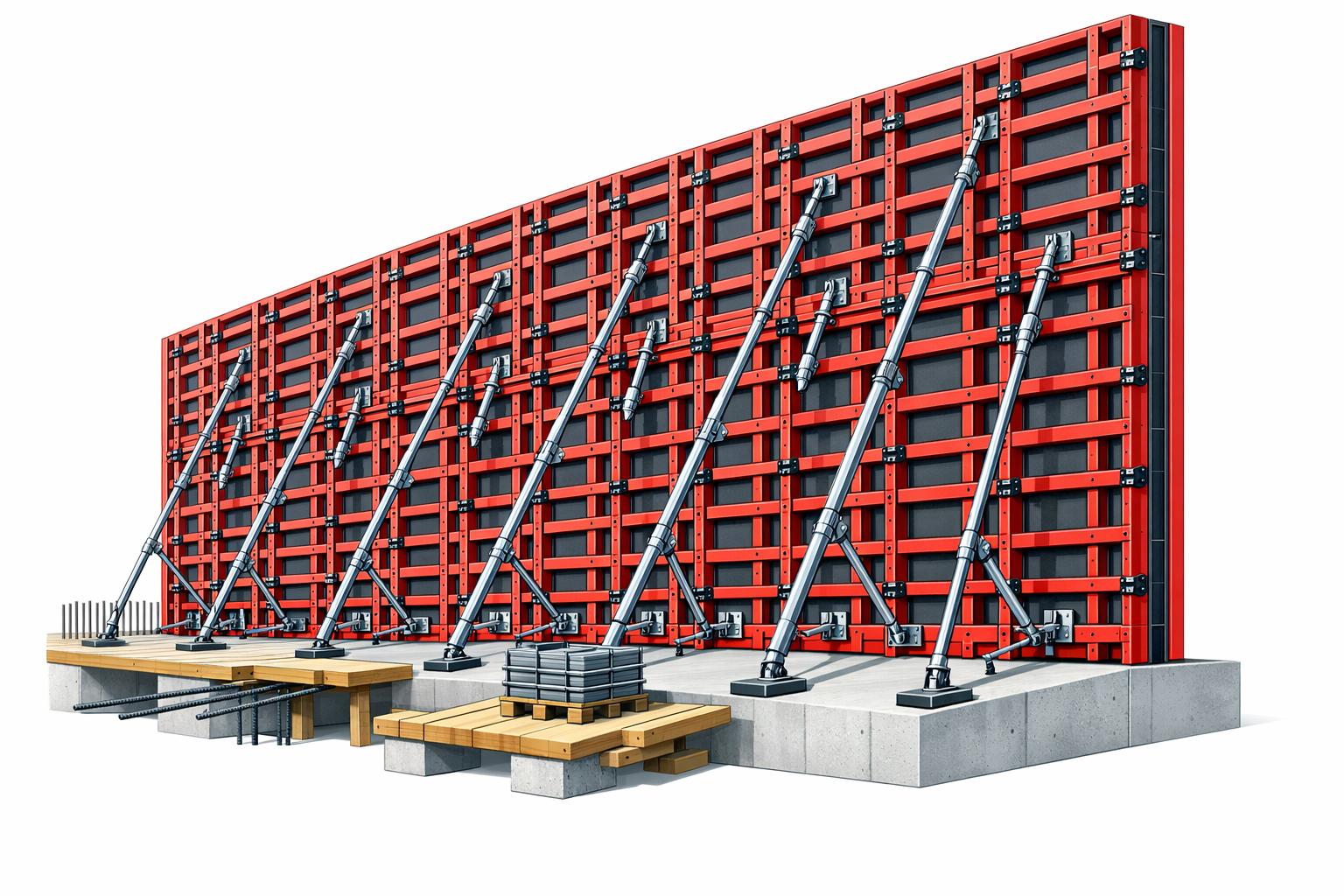
Wall formwork systems
| Large, prefabricated steel/aluminium frame panels for walls, cores, lift shafts. Panels may exceed 2.4 m × 1.2 m, often craned. | |
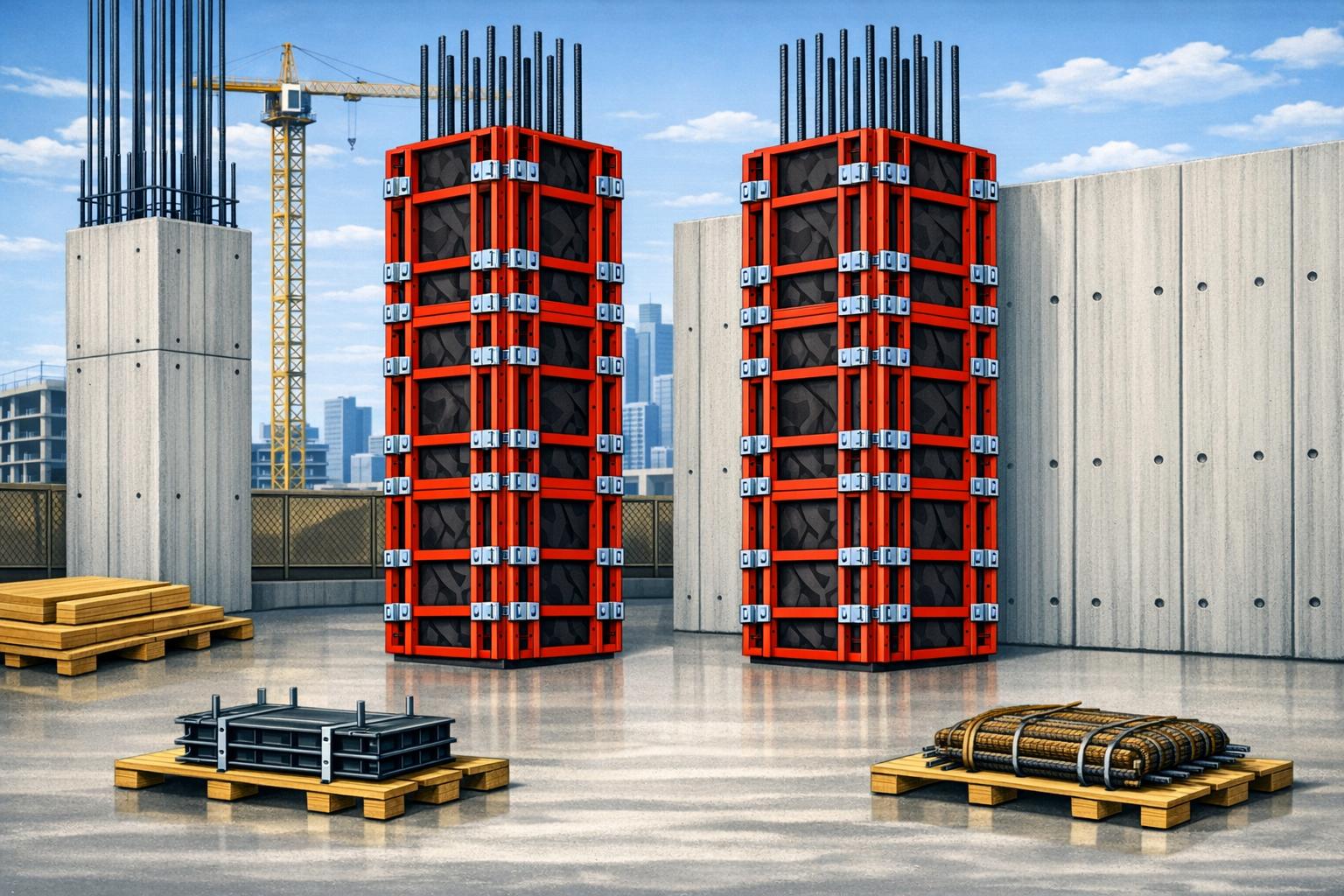
Column formwork systems
| Modular panels (steel, aluminium, or plastic) for square, rectangular, or round columns. Panels typically 15–25 kg. | |
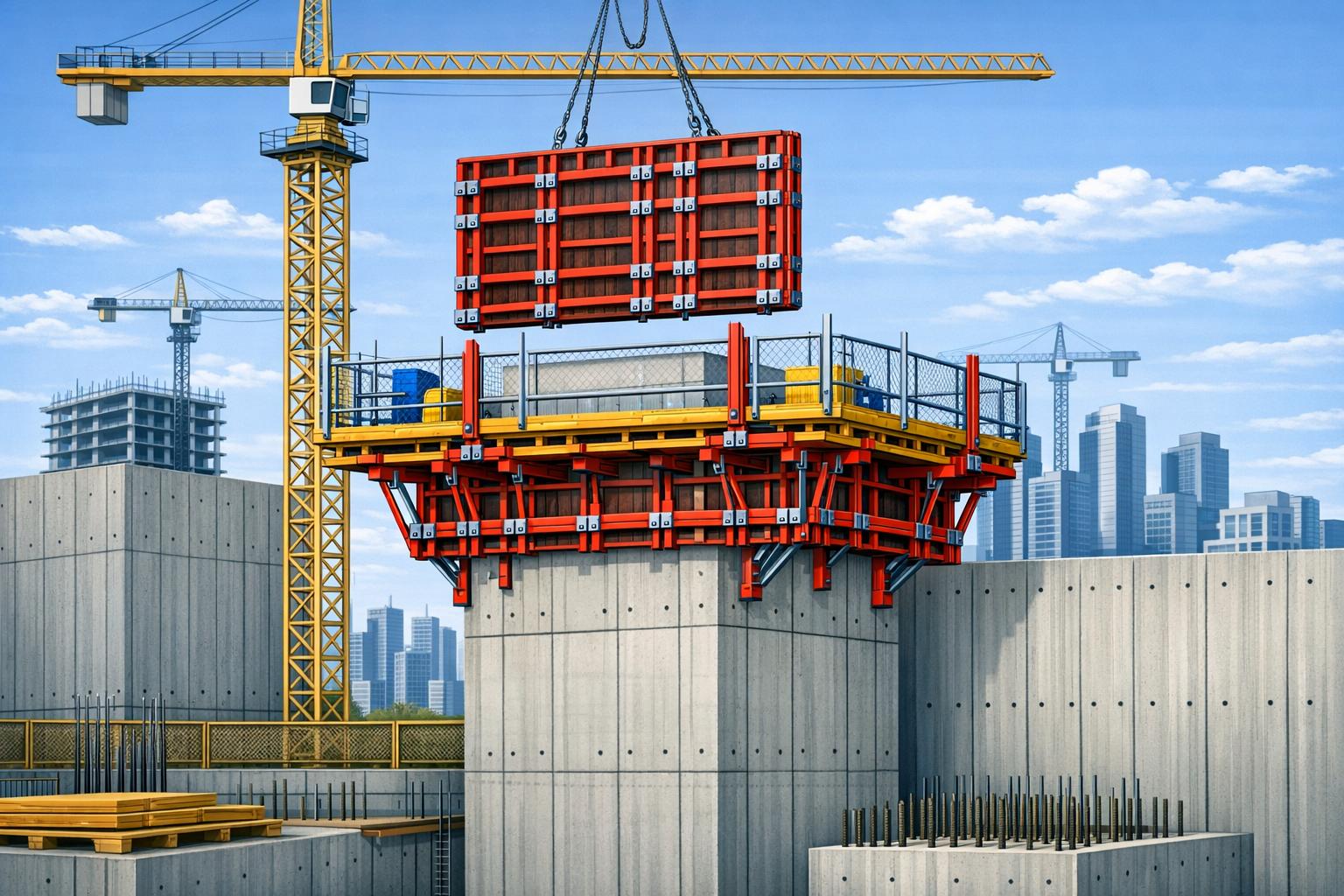
Climbing/jump formwork
| Wall/core systems that move up floor by floor (crane or hydraulics). Used in high-rise. | |
Prepare the site and materials
Use mechanical aids and assistive tools wherever possible
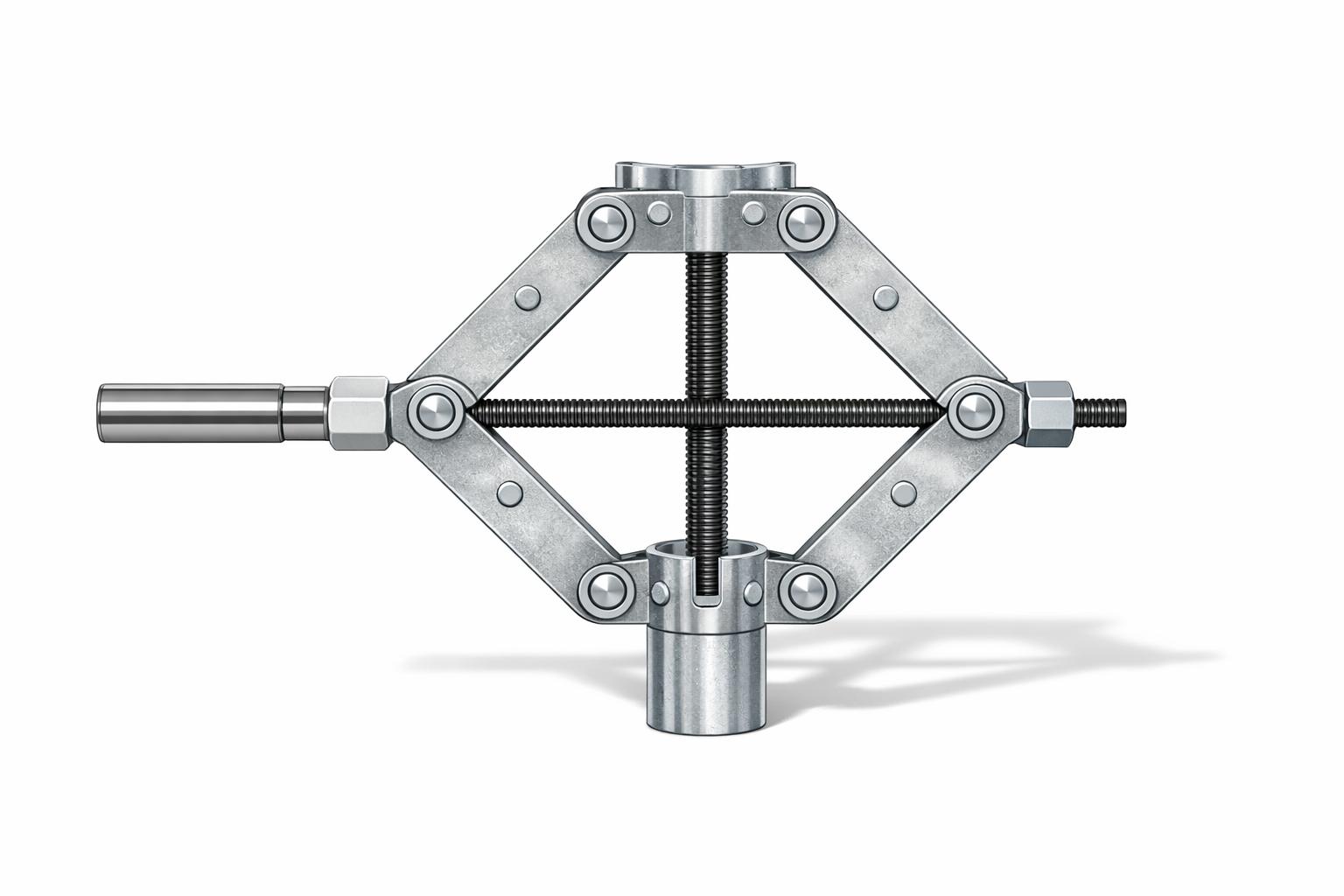 Tube extractor tools to pull out stuck inner tubes without hammer.
Props support – help with supporting formwork and props during erection, alteration or stripping
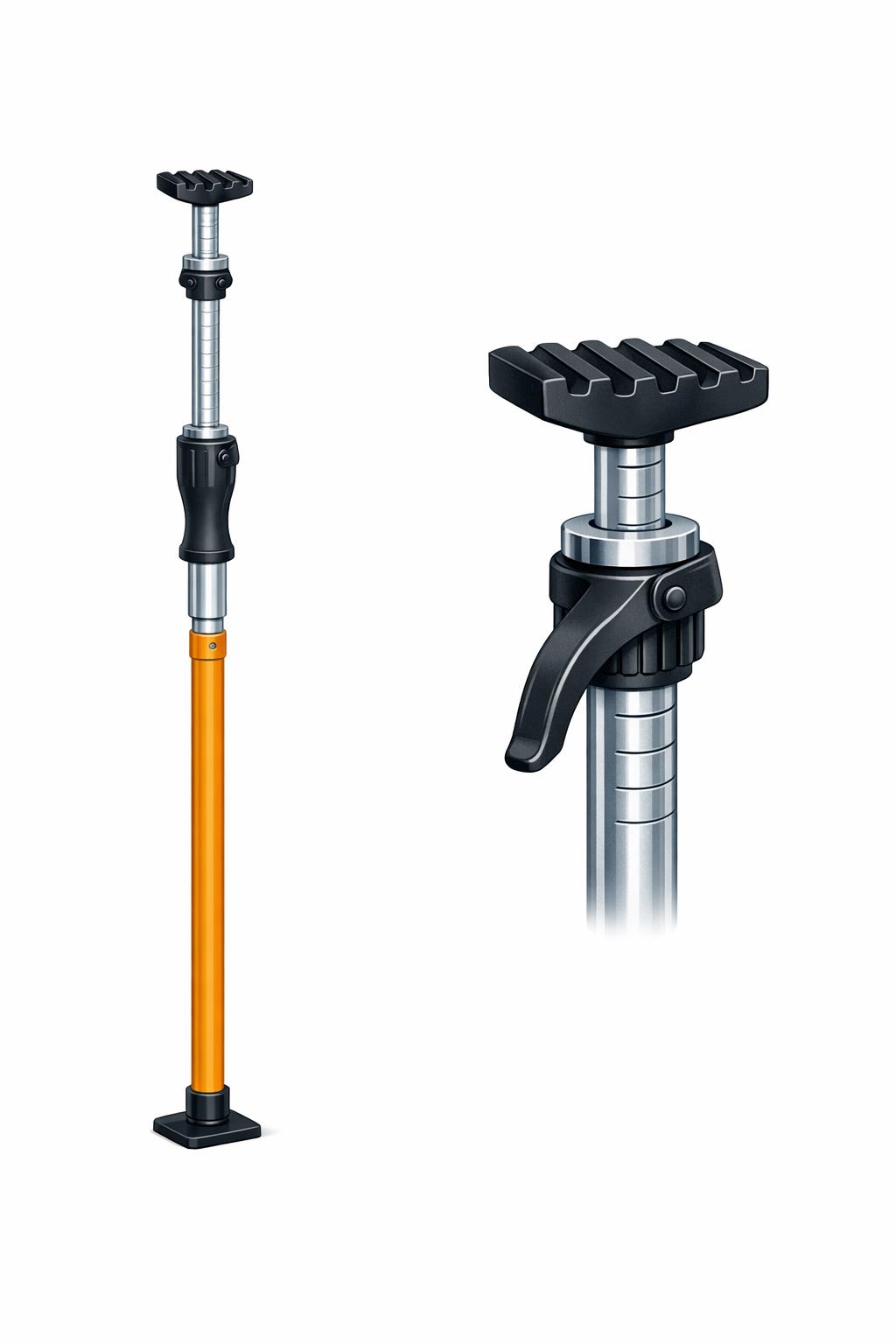
Props adjustment tool
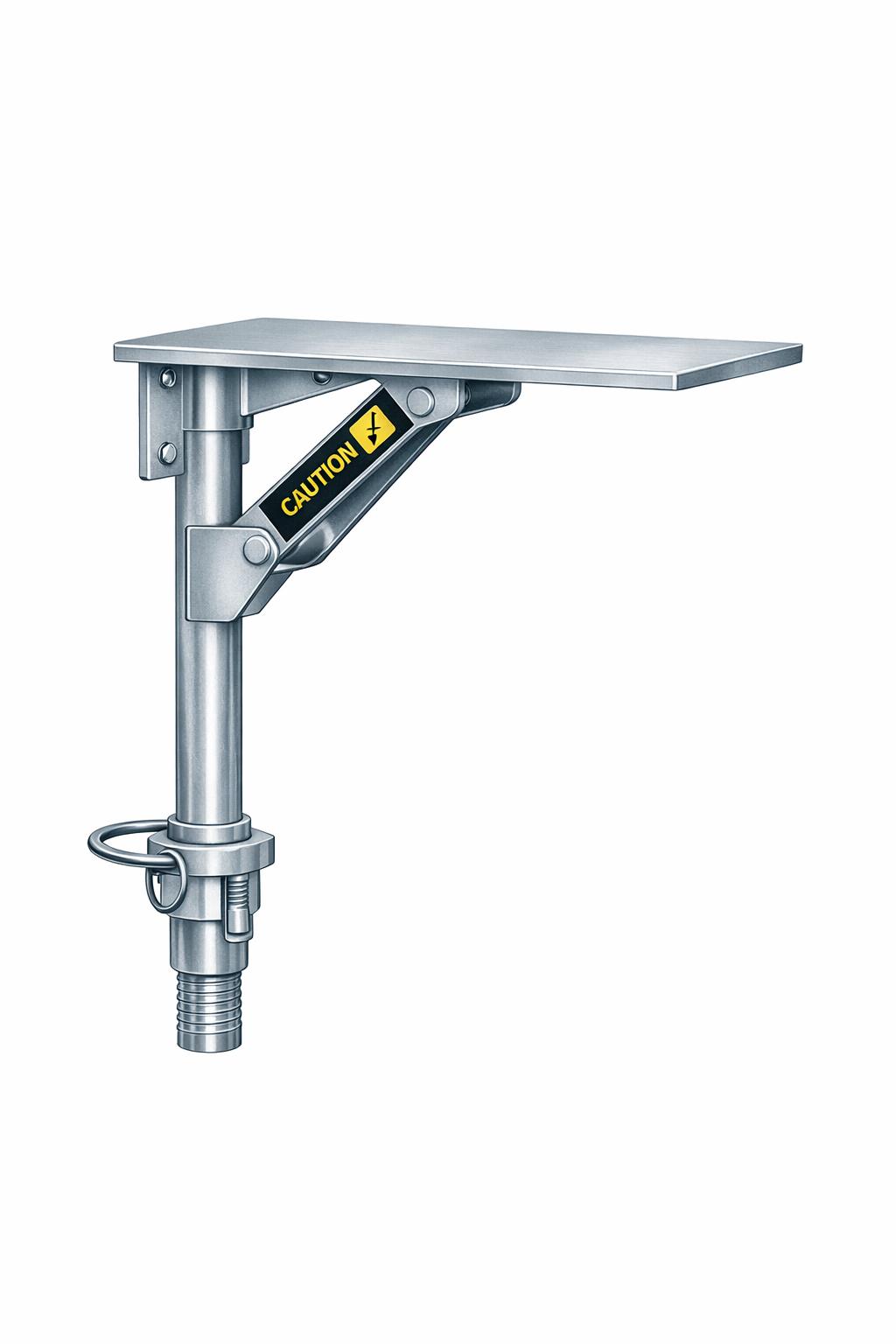 Wall support bracket while removing masonry
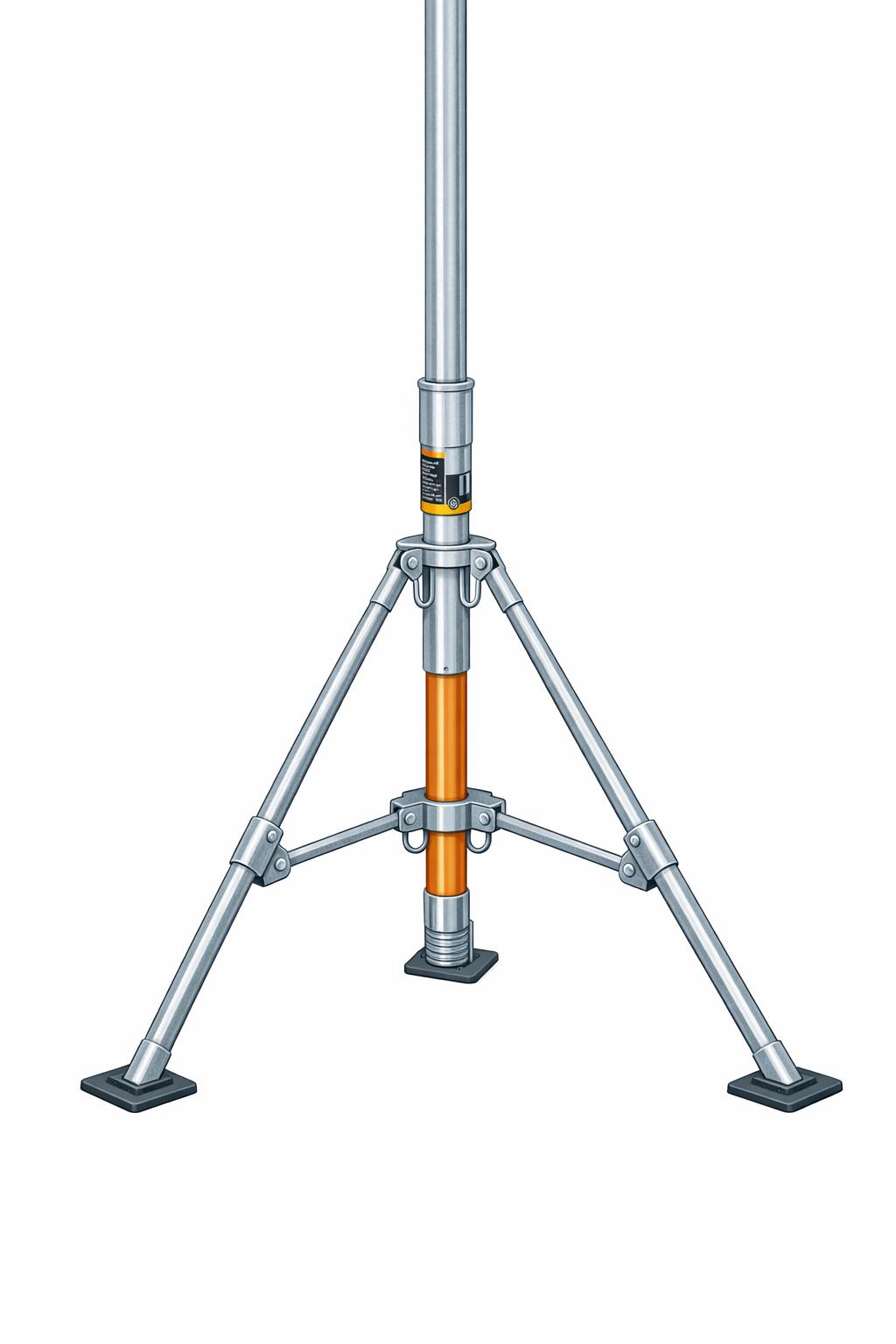 Formwork prop tripod support vertical position while being secured
Mobile scaffolds or elevated work platforms - for access and safe overhead work.
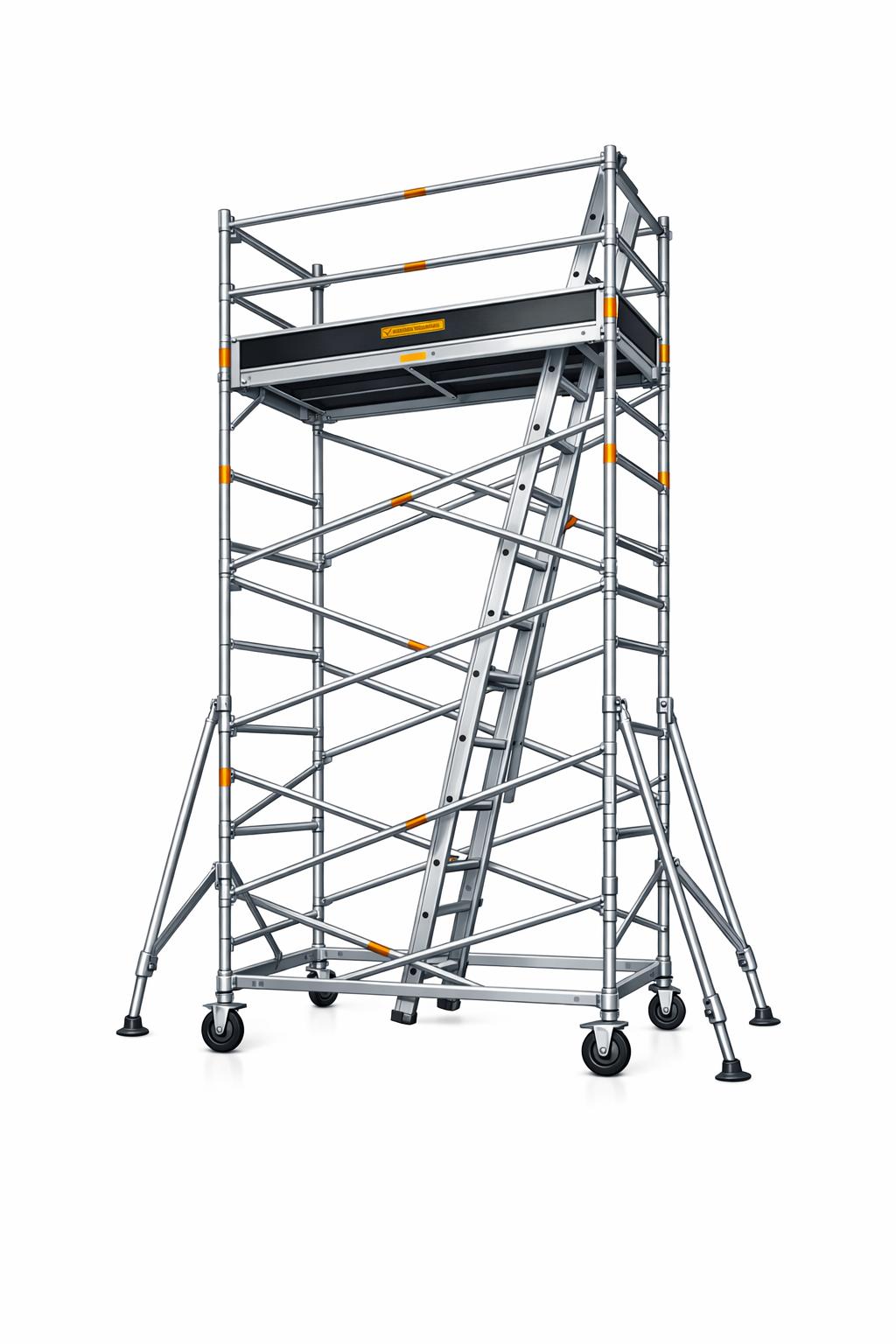
Mobile scaffold
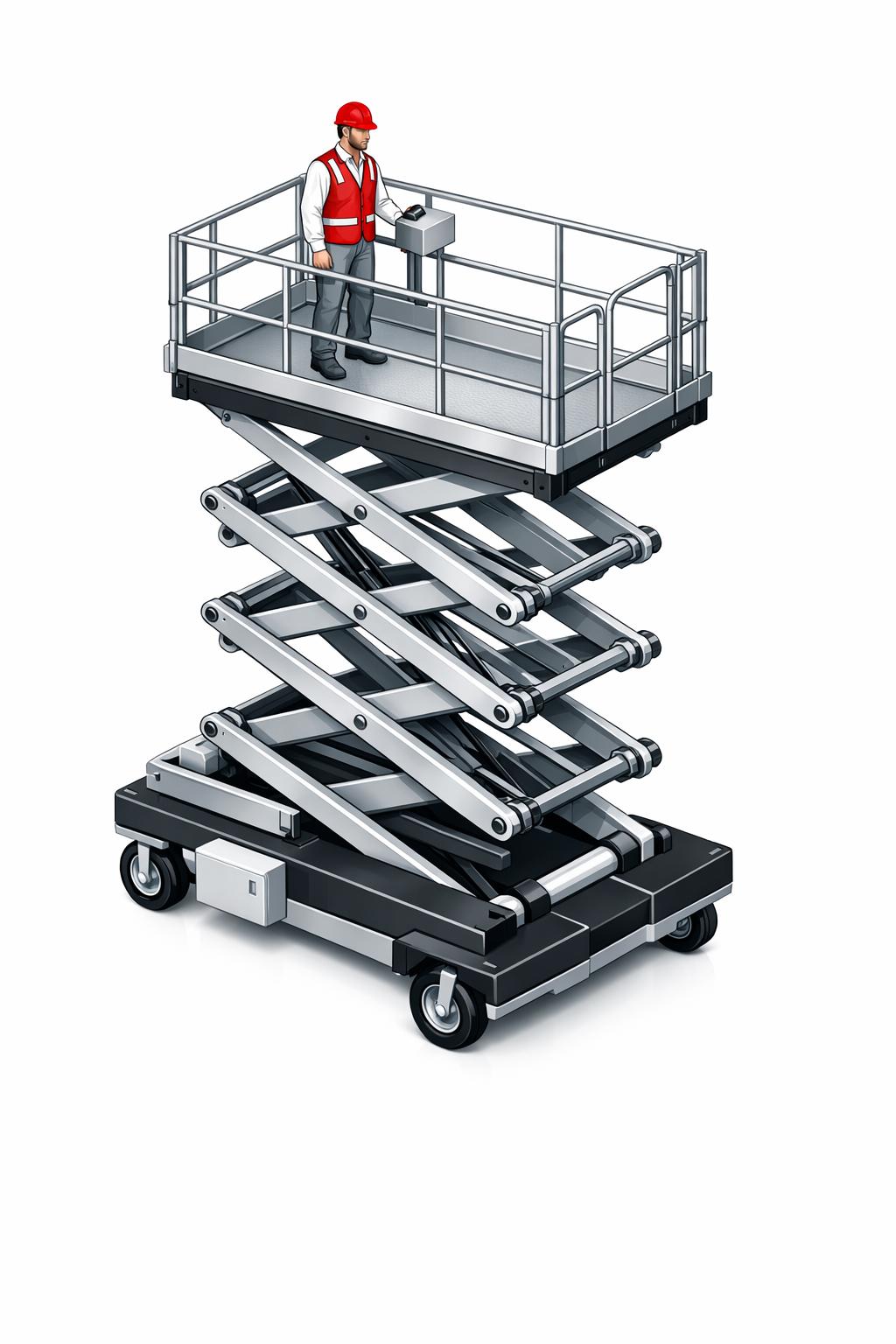 Scissor lift
Follow safe work practices during installation and stripping
Some images in this factsheet are computer generated for illustrative purposes only. They may not accurately represent actual workplaces, equipment, or work practices.
Additional resources:
SafeWork Australia - General Guide for Formwork and Falsework